


What Causes Teeth Grinding in Children?

In daily life, some parents notice that their children grind their teeth—a phenomenon that causes significant psychological distress and concern about potential adverse effects on their child’s health. So, what causes teeth grinding (bruxism) in young children?
What Causes Teeth Grinding in Young Children?
Teeth grinding in young children may occur during the teething or tooth-replacement phase. Discomfort in the gums during these periods can trigger bruxism during sleep; typically, no specific treatment is required. However, maintaining good oral hygiene is essential to prevent oral infections. Another common cause may be deficiency of trace elements; therefore, close observation is advised. When necessary, timely testing for trace element levels is recommended to confirm the diagnosis and initiate appropriate supplementation—thus preventing interference with the child’s normal growth and development. Additionally, many young children consume excessive amounts of food—or eat raw, cold foods—before bedtime, which can easily lead to indigestion. Over time, this increases the burden on the gastrointestinal tract and may contribute to bruxism.
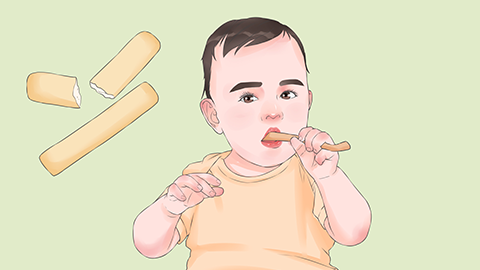
Therefore, children should avoid overeating before bedtime. Bruxism may also occur when a child feels physically exhausted or frightened during play, or when emotional tension becomes pronounced. Some children are picky eaters or have impaired absorption of certain trace elements, predisposing them to nutritional deficiencies and subsequent bruxism. During treatment, identifying the underlying cause is paramount. Currently, the exact etiology of bruxism remains incompletely understood, and multiple therapeutic approaches exist. The primary treatment principles include: protecting teeth from wear, reducing local muscular tension, preserving the functional integrity of the oral and maxillofacial system, alleviating psychological stress through localized pharmacotherapy or counseling, and supplementing calcium to help relieve symptoms.

In such cases, encouraging regular physical activity to enhance overall immunity—and promoting dietary balance to improve the child’s nutrition—are key strategies to prevent persistent bruxism. We hope this information proves helpful to you.


