


Nursing Diagnoses for Pediatric Bronchopneumonia

The process of growing from a very young child into an adult is extremely long. Children bring great joy to their families, yet this joy is inevitably interspersed with occasional challenges. Some children develop bronchopneumonia due to parental negligence or their own compromised physical constitution. So, what are the nursing diagnoses for pediatric bronchopneumonia?
Nursing Diagnoses for Pediatric Bronchopneumonia
If a child is diagnosed with bronchopneumonia, it is recommended to ensure good air circulation in the child’s room. Indoor temperature should generally be maintained around 20°C. The child should be provided with foods rich in vitamins and protein, and encouraged to drink plenty of water. Meals should follow the principle of “small portions, frequent feedings,” which helps maintain airway patency, reduces pulmonary congestion, and facilitates mucus formation and expectoration. Additionally, the child should minimize contact with individuals suffering from respiratory infections, as children with weakened immunity are highly susceptible to contracting illnesses such as influenza or whooping cough upon exposure.
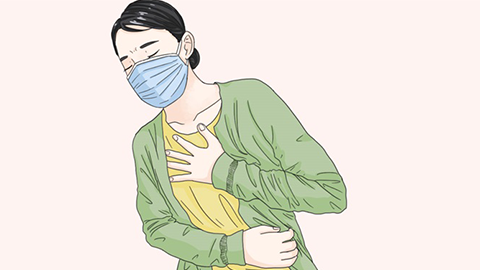
Adequate nutritional support is also essential; supplementary foods may be introduced as appropriate, and healthy dietary and hygiene habits should be cultivated to prevent worsening of pulmonary inflammation. Encouraging regular physical activity and exercise strengthens the child’s body, enhancing its tolerance to cold and heat—thereby reducing susceptibility to respiratory infections and lowering the risk of developing bronchopneumonia.

In cases of severe illness, prompt medical attention at a hospital is essential, and medications must be administered strictly as prescribed by the physician. We hope this information proves helpful to you.


