


Can pneumonia be detected through a routine blood test?

If a person develops pneumonia, they often experience adverse symptoms such as coughing and shortness of breath, which can adversely affect both physical and mental health—and in severe cases, even endanger life. To accurately assess the condition and formulate an appropriate treatment plan, relevant diagnostic tests are typically required. In addition to imaging examinations, a complete blood count (CBC) may sometimes also be necessary. So, can pneumonia be detected through a routine blood test?
Can pneumonia be diagnosed via a complete blood count?
Pneumonia cannot be definitively diagnosed based solely on a routine blood test. Computed tomography (CT) scanning is generally required for accurate diagnosis. However, for newly emerged SARS-CoV-2 infection (COVID-19), diagnosis requires confirmation through positive results from both nucleic acid testing and CBC, alongside characteristic findings on chest CT imaging. Pneumonia is commonly caused by bacterial or viral infections. If bacterial in origin, treatment may involve oral cephalosporin antibiotics combined with antitussive and expectorant medications; severe cases may require intravenous therapy at a hospital. If viral in origin, antiviral medications may be used—but only under strict medical supervision.
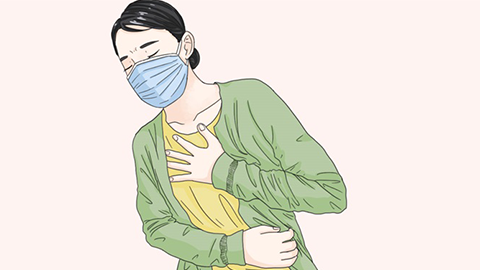
Pneumonia refers to inflammation affecting the terminal airways, alveoli, and pulmonary interstitium, triggered by pathogens (e.g., bacteria, viruses), physical or chemical agents, immune-mediated injury, allergic reactions, or drug-induced effects. Among these, bacterial pneumonia is the most common type. The development of pneumonia depends on both the pathogen and the host: pneumonia is more likely to occur when the pathogen load is high, its virulence is strong, or the host’s local and systemic respiratory immune defenses are compromised.

The primary goals of pneumonia management include maintaining unobstructed airways, consuming lung-cleansing foods, replenishing qi and blood, and engaging in regular physical exercise. We hope this information proves helpful to you.


