


Is Mycoplasma pneumonia in children serious?

Environmental pollution is worsening, and the incidence of various diseases is rising. Children’s immune systems are relatively underdeveloped, making them more susceptible to illness. For instance, the common cold is generally not serious; however, if left untreated for an extended period, it may progress to pneumonia. Pneumonia remains challenging to treat in children, and among its subtypes, *Mycoplasma* pneumonia is particularly common in this age group. So, how serious is pediatric *Mycoplasma* pneumonia?
How Serious Is Pediatric *Mycoplasma* Pneumonia?
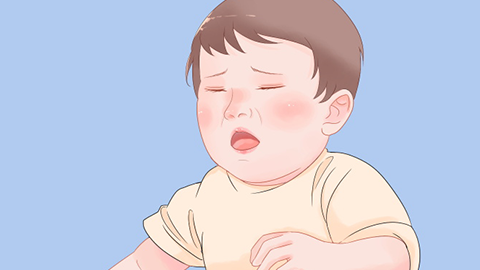
The severity of pediatric *Mycoplasma* pneumonia typically depends on the disease’s progression and timeliness of treatment. This condition is primarily caused by infection with *Mycoplasma pneumoniae*, an acute pulmonary inflammatory disease that commonly presents with fever and tachypnea (rapid breathing). Additional symptoms may include a dry, nonproductive cough, chest pain or tightness, and sore throat. In infants, onset is often abrupt, and the disease course tends to be prolonged. Clinical manifestations are frequently severe, predominantly featuring respiratory distress or wheezing. With appropriate and timely treatment, most children recover fully within a reasonable timeframe. However, delayed or inadequate treatment may lead to disease progression—for example, to severe pneumonia—or trigger serious complications such as myocarditis, hemolytic anemia, or meningitis.

Pediatric *Mycoplasma* pneumonia is not considered a highly severe disease; rather, it is a common childhood illness. Its onset is typically gradual. Primary symptoms include fatigue, sore throat, headache, cough, fever, loss of appetite, diarrhea, and muscle aches. Fever usually persists for two to three weeks. Cough may continue even after body temperature returns to normal. This disease is self-limiting—meaning it resolves spontaneously without specific treatment. However, early administration of antibiotics—under medical supervision—can alleviate symptoms and shorten the duration of illness.
It is advisable to dress your child appropriately for the weather and maintain good indoor hygiene. If coughing is severe, cough-suppressant medications may be used—but only under a physician’s guidance. We hope this information proves helpful.


