


Does sleeping during the day and working at night count as staying up late?
Jun 09, 2022
Source: Cainiu Health

Dr. Pan Yongyuan
Introduction
Daytime sleeping and nighttime working should be regarded as staying up late. Working at sunrise and resting at sunset is a normal habit. Daytime activity and nighttime rest align with the body’s natural circadian rhythm; however, working night shifts or performing tasks at night under certain special circumstances disrupts this natural circadian regulation. During the day, sleep quality is often compromised due to environmental and other factors.
Working night shifts has become increasingly common, and many young people even prefer night shifts. So, does sleeping during the day and working at night count as “staying up late” (i.e., disrupting normal sleep patterns)?
Does sleeping during the day and working at night count as “staying up late”?
Sleeping during the day and working at night should indeed be considered a form of “staying up late.” It is natural for humans to work during daylight hours and rest after sunset—a pattern aligned with our circadian rhythm. Daytime activity and nighttime rest represent the body’s normal biological clock regulation. However, working night shifts—or performing nighttime duties under special circumstances—disrupts this natural rhythm. During daytime sleep, environmental factors (e.g., light, noise) often impair sleep quality, potentially affecting various physiological functions. Therefore, in principle, night-shift work—characterized by nighttime activity and daytime sleep—is classified as “staying up late,” unless medically or occupationally necessary. Under ordinary circumstances, individuals should maintain standard daytime work and nighttime rest schedules, which best support overall health.
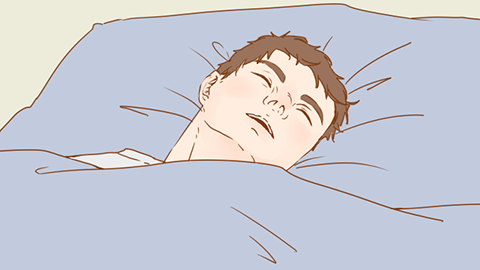
After staying up late, you may supplement your sleep with moderate napping during the day—but prolonged daytime sleep is not recommended. Instead, aim to go to bed earlier at night. Additionally, increase your intake of vitamin-rich and high-protein foods, such as leafy green vegetables, fruits, oranges, and grapefruits. Chronic sleep deprivation harms the body, weakening immune function and increasing susceptibility to various illnesses. Moreover, relevant research indicates that persistent sleep disruption may lead to memory impairment, cognitive dysfunction, and a higher incidence of disease compared with individuals maintaining regular sleep-wake cycles.
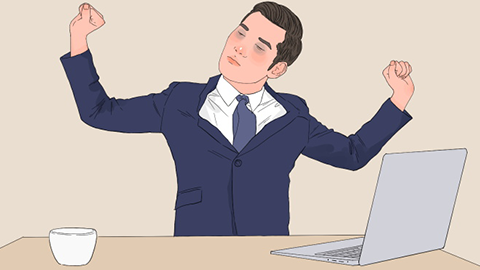
Long-term night-shift work is detrimental to health; therefore, it is advisable to adjust your lifestyle as soon as possible. We hope this response proves helpful to you.







