


How to Regulate Health for People Who Frequently Stay Up Late

Today, many young people are night owls—working overtime past midnight, staying up late to play video games, or partying all night. Prolonged sleep deprivation is harmful to health. So, how should individuals who habitually stay up late adjust and care for themselves?
How to Adjust and Care for Oneself When Habitually Staying Up Late
Chronic sleep deprivation poses significant risks to physical health and should be avoided whenever possible. If unavoidable, appropriate adjustments are essential. Drink plenty of water before or during late-night activity to help increase blood volume, thereby reducing the risk of dizziness and headaches. Supplementing with B-complex vitamins can also help alleviate fatigue. If fatigue sets in during an all-nighter, engage in intermittent physical activity—such as stretching or moving your arms and legs—to effectively relieve tiredness. Additionally, avoid consuming strong coffee, strong tea, or sugary snacks while staying up, as these can overstimulate the nervous system and cause long-term harm to brain function. Smoking during late-night hours is also strongly discouraged, as it is a harmful habit. The day after staying up late, prioritize adequate rest: take a nap at noon or ensure sufficient sleep that night to support recovery.
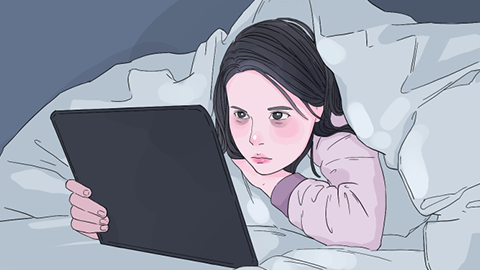
Frequent late-night activity may lead to persistent symptoms such as excessive drowsiness, low mood, and difficulty concentrating. To counteract these effects, consume more fruits, vegetables, and easily digestible foods rich in vitamin C. Increasing protein intake helps replenish energy and alleviate symptoms. Maintain an optimistic mindset and avoid anxiety or stress. With sufficient, high-quality sleep, these symptoms should gradually improve.
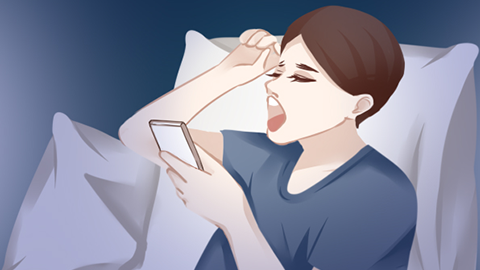
It is recommended to consume nutrient-rich foods—especially those high in vitamin C—and favor light, tasty meals. Prioritize rest and relaxation. We hope this information proves helpful to you.


