


Can B-mode ultrasound detect liver cirrhosis?

As living standards improve, an increasing variety of delicious foods are available. Some individuals, unable to resist temptation or lacking healthy dietary habits, develop cirrhosis. Can B-mode ultrasound (B-ultrasound) detect cirrhosis?
Can B-ultrasound detect cirrhosis?
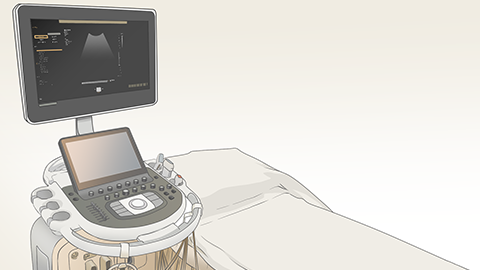
B-ultrasound can detect cirrhosis; however, it is relatively insensitive to early-stage cirrhosis and often fails to identify it. Approximately one-third of patients with early cirrhosis show no abnormalities on B-ultrasound. Early cirrhosis should therefore be diagnosed using alternative modalities such as computed tomography (CT), contrast-enhanced magnetic resonance imaging (MRI), or gastroscopy to assess for esophageal and gastric varices. B-ultrasound typically reveals cirrhosis through characteristic findings including an irregular liver surface, disproportionate hepatic lobe sizes, and heterogeneous echotexture of the liver parenchyma. Portal hypertension is indicated by splenomegaly and dilated portal veins. B-ultrasound can also detect ascites—often difficult to identify clinically—and may reveal primary hepatocellular carcinoma. Furthermore, ultrasound-based elastography can quantify liver stiffness to assess the degree of fibrosis and cirrhosis. Due to its simplicity, noninvasiveness, and low cost, ultrasound is widely used in clinical practice.

B-ultrasound is a type of ultrasonographic examination. In clinical practice, B-ultrasound provides clear, real-time images of internal organs and their surrounding structures. Because these images closely resemble true anatomical configurations, B-ultrasound facilitates early diagnosis. It is extensively applied across multiple specialties: for instance, it visualizes the spleen, kidneys, gallbladder, and liver; in gynecology, it aids in diagnosing uterine, pelvic, and adnexal disorders; in obstetrics, it monitors fetal well-being—including detection of congenital anomalies, amniotic fluid volume assessment, and placental localization; and it enables early diagnosis of ectopic pregnancy and hydatidiform mole.
Patients with cirrhosis must pay special attention to their daily diet. If symptoms are severe, prompt medical evaluation and timely treatment are essential. We hope this information has been helpful.


