


What Happens If You Stay Up Late During Your Menstrual Period?

Staying up late has become a common issue for many people today. It disrupts the body’s circadian rhythm and poses significant health risks. Prolonged sleep deprivation is especially harmful to women’s health. If individuals wish to break this unhealthy habit promptly, one important question arises: Does staying up late affect menstruation?
What Happens When You Stay Up Late During Menstruation?
Staying up late during menstruation may lead to menstrual irregularities. It is strongly advised to avoid sleep deprivation during this period. Chronic late-night activity can accelerate female aging, cause sallow or yellowish skin tone, and result in pronounced dark circles under the eyes. It may also impair the smooth discharge of stagnant blood, leading to blood stasis—and, in severe cases, infertility. Therefore, women should refrain from staying up late during their periods. Additional precautions include keeping warm, avoiding cold, spicy, or irritating foods, maintaining good personal hygiene, consuming plenty of fresh fruits and vegetables, prioritizing menstrual care, eating nutrient-rich foods, and drinking brown sugar water—known to replenish qi and blood while promoting healthy menstrual flow.
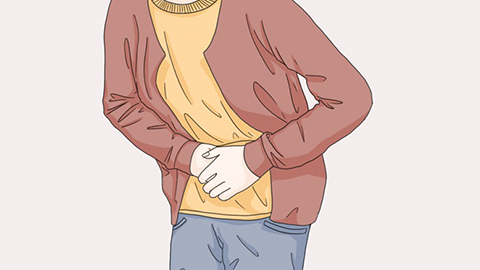
During menstruation, staying up late may exacerbate qi and blood deficiency, resulting in symptoms such as fatigue, scanty or irregular menstrual flow, prolonged periods, or continuous spotting. It may also trigger excessive physical exhaustion, dizziness, and headaches. With prolonged sleep deprivation, palpitations and chest tightness may occur during menstruation; in severe cases, it may even precipitate cardiovascular or cerebrovascular events. Furthermore, staying up late can disrupt endocrine regulation, causing menstrual irregularities and cycle disturbances. It may also weaken immune function, increasing susceptibility to menstrual-related colds, fever, and other infections.

Staying up late significantly harms overall health—and particularly affects women’s menstrual cycles, often causing irregularities. Therefore, avoiding late nights is essential. Besides sleep deprivation, other factors contributing to menstrual disorders include excessive weight loss, smoking, neglecting treatment for gynecological conditions, and emotional stress—all of which can disturb normal menstrual function. Hence, maintaining physical and mental well-being is crucial. We hope this information proves helpful to you.


