


What Is Bronchopneumonia?

Pneumonia is a common disease with numerous potential causes, and its treatment depends on the individual patient’s specific condition. Bronchopneumonia is also a type of pneumonia, yet many people know little about it. So, what exactly is bronchopneumonia?
What Is Bronchopneumonia?
Bronchopneumonia is, in fact, an anatomical diagnosis—also known as lobular pneumonia—resulting from inflammation of the alveoli at the terminal bronchioles. On chest CT, extensive lobar consolidation is typically absent; instead, findings predominantly include exudates at the terminal bronchioles and the “tree-in-bud” sign. However, many mistakenly believe bronchopneumonia is simply caused by cough and sputum production. Initially, it may present as bronchitis, but symptoms worsen over time, progressing to fever. In summary, bronchopneumonia is a form of pneumonia. Compared with typical lobar pneumonia, bronchopneumonia tends to cause more severe and earlier-onset coughing, whereas in lobar pneumonia, cough may appear later—or even be absent—largely due to these distinguishing features.

Bronchopneumonia is a respiratory disease triggered by invasion of the bronchi and lungs by viruses, bacteria, allergens, or other factors, leading to symptoms such as cough, sputum production, and fever. Management of bronchopneumonia must be tailored to the underlying etiology. If the condition arises following exposure to an allergen, avoidance of the allergen and prompt anti-allergic therapy are essential. For viral infection, antiviral treatment should be initiated early, along with supportive symptomatic care. In cases of bacterial infection presenting with cough and yellow sputum, antibiotics should be selected rationally based on sputum culture and antimicrobial susceptibility testing.
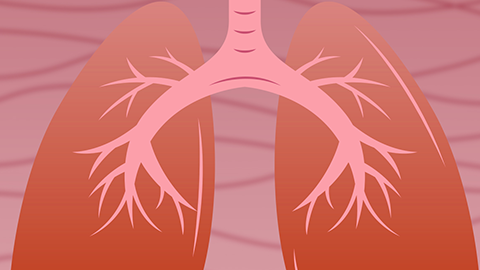
Bronchopneumonia is common among infants and young children. Its primary symptoms include fever and nausea, often driven by neutrophilia secondary to bacterial infection. In mild cases, symptoms are relatively subtle, with dyspnea being the predominant manifestation. Importantly, bronchopneumonia is non-contagious. Therefore, appropriate symptomatic treatment usually enables rapid recovery. We hope this explanation has been helpful to you.


