


What Causes Drooling During Sleep?
Jun 09, 2022
Source: Cainiu Health

Dr. Zhang Lei
Introduction
Causes of drooling during sleep include cerebral regulatory dysfunction, excessive salivary gland secretion, and obstructive sleep apnea–hypopnea syndrome (OSAHS).
1. Cerebral regulatory dysfunction: This may result from cerebrovascular or cardiovascular diseases. Particular attention should be paid to patients in the early stages of cerebral infarction, as drooling during sleep can be a prodromal sign of stroke. Patients are strongly advised to take this symptom seriously and promptly consult a neurologist for evaluation to rule out underlying cerebral or cardiovascular disorders.
Many people drool while sleeping—a common occurrence in daily life. However, this phenomenon may be closely linked to underlying pathological changes in the body. Therefore, it is important to pay attention to drooling during sleep. So, what causes drooling at night?
What Causes Drooling During Sleep?
Drooling during sleep may result from several factors, including cerebral regulatory dysfunction, excessive salivary gland secretion, and obstructive sleep apnea–hypopnea syndrome (OSAHS).
- Cerebral regulatory dysfunction: This may stem from cerebrovascular or cardiovascular diseases. Particular attention should be paid to early-stage ischemic stroke patients—drooling during sleep can serve as a warning sign of an impending stroke. Patients experiencing this symptom should seek prompt evaluation by a neurologist to determine whether cerebrovascular or cardiovascular abnormalities are present. If such conditions are confirmed, timely pharmacological intervention—including blood pressure regulation—and appropriate treatment should be initiated to reduce the risk, prevent, and avoid future ischemic strokes.
- Excessive salivary gland secretion: The human salivary glands consist of the parotid, submandibular, and sublingual glands. Dysregulation of these glands—leading to overproduction of saliva—can cause drooling during sleep.
- Obstructive sleep apnea–hypopnea syndrome (OSAHS): Patients with OSAHS often breathe through their mouths during sleep, which may lead to drooling. Each case requires individualized assessment. Prompt medical consultation is strongly recommended if drooling occurs in association with suspected OSAHS.
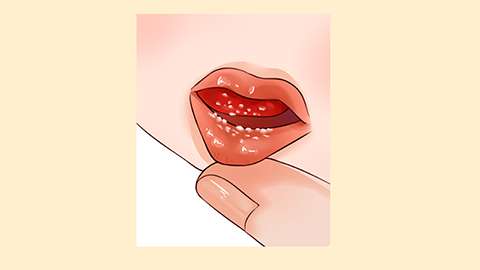
Drooling during sleep typically indicates mouth breathing rather than nasal breathing—i.e., sleeping with the mouth open. Mouth breathing usually reflects upper airway obstruction and warrants medical evaluation. For instance, an otolaryngologist can assess whether the respiratory tract is patent and identify any anatomical abnormalities. Conditions such as hypertrophied uvula, enlarged tonsils, or deviated middle nasal turbinates may contribute to nocturnal drooling. Additionally, developmental anomalies of the maxillofacial region—including malocclusion and dental misalignment—can disrupt normal breathing and sleep patterns. Furthermore, some individuals skip nighttime oral hygiene, leaving food debris in the mouth. This fosters bacterial proliferation, alters the oral microenvironment, and may stimulate excessive salivary gland secretion.
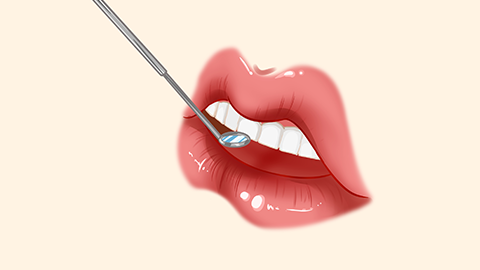
We recommend that patients thoroughly clean their teeth before bed using a toothbrush, dental floss, and mouthwash. Maintaining good oral hygiene reduces the number of bacteria in the mouth overnight, thereby decreasing salivary gland stimulation and minimizing the likelihood of drooling. We hope this information proves helpful to you.



