


How to Stop Snoring

Many people snore while sleeping, which can be extremely disruptive—and even unbearable—for their sleeping partners, as snoring genuinely interferes with others’ sleep. So, how can one stop snoring?
How to Stop Snoring
Snoring can be addressed through medication or surgical intervention. In daily life, individuals who habitually consume alcohol or smoke are more prone to snoring than the general population. Additionally, long-term use of sedatives (e.g., sleeping pills) or obesity—particularly when associated with a thickened neck—also increases snoring risk. Therefore, quitting smoking and alcohol consumption, along with weight loss, are effective preventive measures. Sewing a golf ball onto the back of one’s pajamas can discourage supine (back) sleeping—a simple behavioral strategy to reduce snoring. For patients with obstructive snoring, family members must remain vigilant: if signs of sleep apnea are observed, the patient should be promptly awakened to prevent life-threatening asphyxiation.
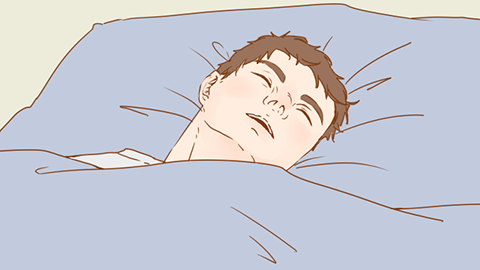
Most non-snoring individuals require targeted treatment based on the underlying cause. Snoring may stem from conditions such as rhinitis or the common cold—or from adenoid hypertrophy. Typically, intranasal budesonide spray combined with nasal irrigation using normal saline helps alleviate symptoms including excessive nasal discharge, nasal congestion, impaired breathing, mouth breathing, and snoring. For cold-related symptoms, medications such as cold capsule formulations or acetaminophen–amantadine tablets—which possess antipyretic and anti-cold properties—may be prescribed to relieve nasal congestion and rhinorrhea; these treatments often also help alleviate snoring, dizziness, headache, and gastrointestinal discomfort.
During treatment, adequate rest is essential; excessive physical exertion and vigorous exercise should be avoided, as they may impede recovery and compromise therapeutic outcomes. Patients undergoing surgery should perform diligent nasal care—including regular nasal irrigation with normal saline—to inhibit bacterial growth and reduce infection risk. We hope this information proves helpful.


