


What Causes Teeth Grinding During Sleep in Adults?

Many people talk in their sleep, snore, or grind their teeth—conditions that not only disturb others’ sleep but also harm their own health. A common myth about teeth grinding (bruxism) is that it signifies wealth or prosperity during leisure time; this belief is absolutely false. So, what causes teeth grinding during sleep in adults?
Causes of Sleep Bruxism in Adults
Sleep bruxism in adults may stem from gastrointestinal discomfort, improper diet, or intestinal parasitic infections—conditions that cause symptoms such as abdominal distension and indigestion, which can stimulate the oral cavity and trigger teeth grinding. Dental defects or damage leading to significant occlusal (bite) disturbances may also contribute to bruxism. Additionally, if an individual experiences high work-related stress during the day and remains in a constant state of mental tension, the relative relaxation at night may result in disordered oral muscle function, thereby causing bruxism. Chronic calcium deficiency—leading to osteoporosis—can also manifest as teeth grinding.
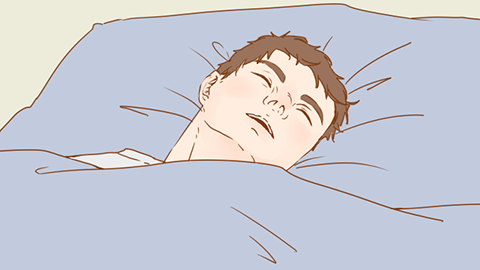
If left untreated, nocturnal bruxism can impair dental occlusion. In severe cases, periodontal soft tissues may recede, teeth may become loose, and even tooth loss may occur. Severe bruxism disrupts daily eating habits, causes parotid gland pain, and significantly reduces sleep quality. Prolonged bruxism may also impair memory. In summary, individuals experiencing sleep bruxism should seek medical evaluation and treatment promptly.

In daily life, cultivating healthy lifestyle and dietary habits is essential. We hope this information proves helpful to you.


