


What to Do About Dull Skin Caused by Staying Up Late

Some individuals are born with dark, yellowish skin and appear lethargic or fatigued. This directly impairs their personal appearance and aesthetic appeal. In other cases, skin dullness results from chronic sleep deprivation. People naturally wish to restore their skin’s healthy glow as soon as possible. So, what can be done about dull skin caused by staying up late?
What to Do About Dull Skin Caused by Staying Up Late
Addressing dull skin resulting from sleep deprivation involves a comprehensive approach—including dietary and lifestyle modifications, pharmacological interventions, and aesthetic medical treatments.
- Dietary and Lifestyle Modifications: Avoid known triggers—especially prolonged熬夜 (sleep deprivation). Maintain regular work-rest schedules and balanced daily routines to alleviate skin dullness. Ensure a nutritionally balanced diet.
- Pharmacological Treatment: Prioritize hydration and moisture retention to replenish skin cells with water. Well-hydrated skin cells regain luster and suppleness. If persistent hyperpigmentation remains, topical depigmenting agents—such as arbutin, L-ascorbic acid (vitamin C), and tranexamic acid—may be used. These skin-brightening topicals can be applied daily for optimal therapeutic outcomes.
- Aesthetic Medical Treatments: For pronounced skin dullness or associated melasma, laser-based therapies—including intense pulsed light (IPL), picosecond lasers, and ultra-picosecond lasers—can be employed. Regular, scheduled treatments combined with the above strategies yield notably effective results.
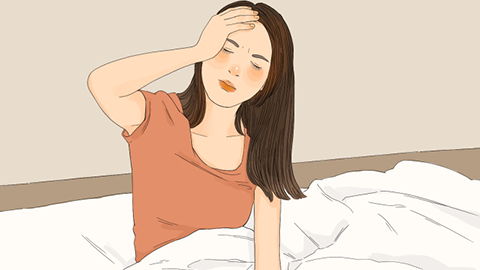
Staying up late is not aligned with healthy living principles and adversely affects cognition, memory, skin health, vision, and cardiovascular function. For instance, patients in their thirties who habitually stay up extremely late—and especially those who smoke—may suffer acute myocardial infarction. Such events often stem from severely irregular lifestyles, chronic sleep deprivation, and smoking. Excessive late-night activity compromises fertility, skin integrity, and visual acuity. It also diminishes work performance. When the nervous system fails to rest adequately during its designated recovery period, neurological dysfunction may ensue, leading to altered vascular tone and consequent hypertension.

We recommend adopting a regular, healthy daily routine—avoiding excessive late-night activity—and ensuring sufficient, high-quality sleep each night. We hope this information proves helpful to you.


