


What Causes Rheumatic Diseases?

Most people are likely familiar with rheumatic diseases, and it is not uncommon to encounter individuals living with such conditions in daily life. The high prevalence of rheumatic diseases is closely linked to their multifactorial etiology. So, what causes rheumatic diseases?
What Causes Rheumatic Diseases?
Rheumatic diseases are primarily associated with genetic, environmental, endocrine, and infectious factors—though the precise causes of most rheumatic diseases remain incompletely understood.
- Genetic factors: In many connective tissue disorders, genetics play a significant role—for example, in rheumatoid arthritis and ankylosing spondylitis.
- Environmental factors: Daily exposure to radiation, ultraviolet light, or chemical agents may act as environmental triggers. Such external exposures can activate and express susceptibility genes, leading to tissue damage and disease onset.
- Endocrine factors: Fluctuations in hormonal levels within the body may also contribute to the development of rheumatic diseases. For instance, imbalances in estrogen and progesterone have been associated with several rheumatic conditions.
- Infectious factors: Bacterial, fungal, mycoplasmal, or chlamydial infections can directly or indirectly stimulate or initiate immune responses—for example, infection-triggered reactive arthritis.
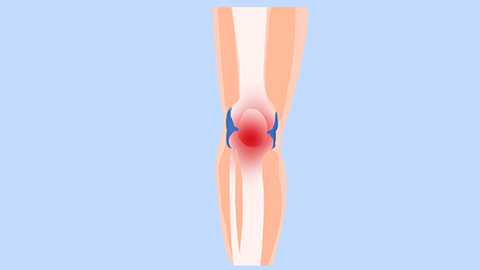
Prevention of rheumatic diseases involves appropriately increasing physical activity to enhance overall physical fitness. Regular participation in sports, occupational activities, or exercise—including aerobics, qigong, tai chi, calisthenics, walking, and running—is highly recommended. Most importantly, consistency is key. Long-term adherence to regular physical exercise strengthens the body and boosts resistance to disease.
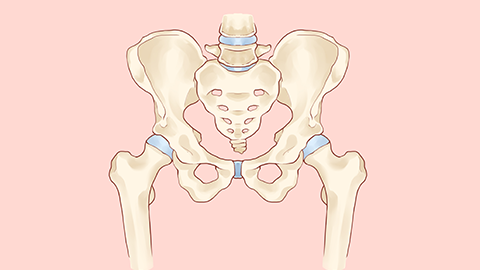
Maintain a healthy balance between work and rest; both professional and personal activities should be pursued in moderation—avoiding excessive fatigue. We hope this information proves helpful to you.


