


Clinical Manifestations of Streptococcus pneumoniae Pneumonia

Pneumococcal pneumonia not only impairs normal daily life but can also lead to a range of complications. It is a common disease in current medical practice; its onset naturally causes significant concern, prompting individuals to take preventive measures to avoid unnecessary risks to their personal health. So, what are the clinical manifestations of pneumococcal pneumonia?
Clinical Manifestations of Pneumococcal Pneumonia
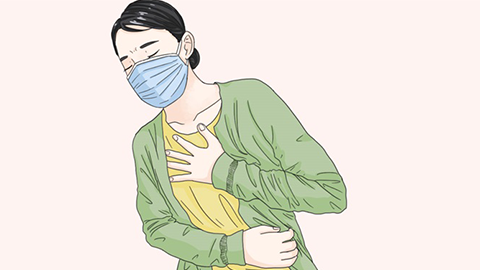
Clinical symptoms of pneumococcal pneumonia may include high fever, chills, generalized myalgia and arthralgia, body temperature reaching 39–40°C, pleuritic chest pain, blood-tinged sputum, facial flushing, nasal inflammation, and wheezing. Following antibiotic treatment, fever typically subsides within 24 hours and gradually returns to normal over several days.

Patients should remain on strict bed rest and increase fluid intake. Their diet should consist of high-protein, high-calorie, high-vitamin, easily digestible liquid or semi-liquid foods. For patients with high fever, ice packs may be applied to the forehead, axillae, and groin, or alcohol sponging may be used for cooling. In cases of chest pain, a lateral decubitus position is recommended; gentle back percussion during repositioning helps facilitate expectoration. Patients experiencing dyspnea require supplemental oxygen. Close monitoring of the patient’s condition—including temperature, pulse, respiration, blood pressure, and level of consciousness—is essential. Anti-shock therapy may be required if indicated.
During the acute phase, adequate hydration is critical to maintain intravascular volume, reduce blood viscosity, and prevent intravascular coagulation. We hope this information proves helpful to you.


