


Does pneumonia always cause fever?
Jun 10, 2022
Source: Cainiu Health

Dr. Guo Xiheng
Introduction
Pneumonia does not always cause fever. Diagnosis of pneumonia relies on clinical manifestations, laboratory and imaging examinations (e.g., chest X-ray or CT). Whether fever occurs depends on the individual’s immune status. Fever is a sign that the body is mounting an immune response against pathogenic factors and reflects a functional immune system. In some cases, absence of fever may indicate either a relatively mild pathogen or a robust immune response.
Pneumonia is a relatively stubborn disease that causes numerous physical discomforts. Does pneumonia always cause fever?
Does pneumonia always cause fever?
Pneumonia does not necessarily cause fever. Diagnosis of pneumonia relies on clinical manifestations, laboratory and imaging tests (e.g., chest X-ray or CT), and whether fever occurs depends largely on the individual’s immune status. Fever is a physiological response reflecting the body’s defense against pathogenic factors and indicating overall health. In some cases, absence of fever may suggest milder pathogenic exposure or a robust immune response. Conversely, in individuals with compromised immunity—such as the elderly—the body may lack sufficient capacity to mount an effective immune response against pathogens, resulting in no fever. Thus, absence of fever in elderly patients with pulmonary infection does not indicate mild disease; rather, it often reflects immunosuppression, wherein the body fails to generate an adequate antibody-mediated response to control the invading pathogens. Therefore, pneumonia does not always present with fever.
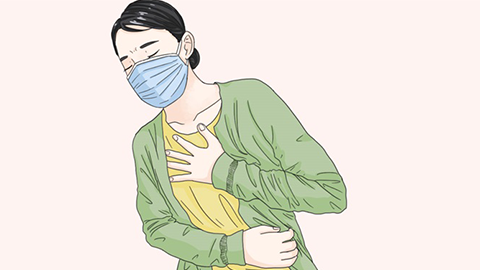
Patients with pneumonia should avoid high-protein foods. Excessive intake of such foods increases urea production and excretion, which in turn promotes excessive water loss through urine. This is especially problematic for patients experiencing high fever and dehydration. During the recovery phase, modest consumption of high-protein foods (e.g., eggs, tofu) is permissible, but overconsumption should be avoided. Additionally, intake of high-sugar foods should be limited. Excessive sugar consumption may suppress the body’s natural antimicrobial activity; the greater the intake, the more pronounced the suppression—and the more severe the disease progression (e.g., sweets, cakes). Stimulating foods—including chili peppers, scallions, and garlic—should also be avoided, as they can irritate mucosal surfaces, exacerbating pneumonia symptoms and potentially triggering complications such as asthma or palpitations.
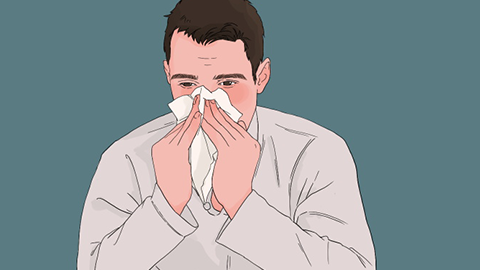
Pneumonia is a common clinical condition requiring prompt attention upon diagnosis. Timely treatment is essential to ensure proper recovery and prevent serious systemic complications.


