


Does staying up late cause breast flattening in women?

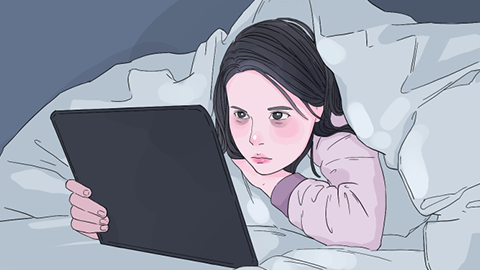
Due to lifestyle habits and other factors, many women frequently stay up late. In fact, this habit poses significant health risks and is particularly detrimental to women’s liver function. So, does staying up late cause breast flattening in women?
Does staying up late cause breast flattening in women?
Staying up late does not directly cause breast flattening. However, chronic sleep deprivation may disrupt endocrine function, thereby indirectly affecting breast development. Breast development is influenced by multiple factors—including nutrition, emotional state, sleep quality, environmental conditions, physical activity, and genetics—all of which can impact hormonal balance. Since breast development is closely tied to hormone levels (especially estrogen), prolonged sleep deprivation may lead to endocrine and hormonal imbalances, potentially resulting in abnormal breast development. For women whose breasts have fully developed, staying up late will not cause breast shrinkage, but it may increase the risk of developing breast cancer.

A woman’s breast size is primarily determined by fat deposition and estrogen stimulation during the menstrual cycle—not by whether or not she stays up late. Nevertheless, sleep deprivation can trigger endocrine disruption, compromising overall health and causing various symptoms such as dull or darkened skin, acne, hyperpigmentation, and dark circles under the eyes. Therefore, maintaining a regular work-rest schedule—going to bed early and rising early—is highly recommended; staying up late should be avoided.
It is advisable to ensure adequate nutrition to support healthy physical development. Foods rich in vitamin E—such as corn, walnuts, and pine nuts—may also help effectively delay breast tissue aging. We hope this information proves helpful to you.


