


What Should You Eat to Boost Your Health After Staying Up Late Every Night?

For office workers, staying up late is often unavoidable—sometimes due to heavy workloads, and other times due to excessive use of electronic devices. In particular, some men appear to have grown accustomed to frequent late-night activity, which poses serious risks to their health. It is therefore important to appropriately supplement one’s diet with nutritious foods in daily life. So, what should you eat to nourish your body if you regularly stay up late?
What to Eat to Nourish Your Body When Staying Up Late Regularly
When staying up late frequently, it is advisable to consume more foods that support liver health, such as soybeans, milk, and sesame seeds. Fresh vegetables and fruits—including tomatoes, carrots, pea shoots, red dates (jujubes), goji berries, and mangoes—should also be included regularly in the diet. Additionally, moderate intake of nuts—such as almonds, peanuts, walnuts, and cashews—offers various health benefits. Individuals who stay up late for prolonged periods often appear fatigued or unwell; in such cases, consuming an appropriate amount of donkey-hide gelatin (ejiao) may be beneficial. Eating more red dates (jujubes) is also recommended.
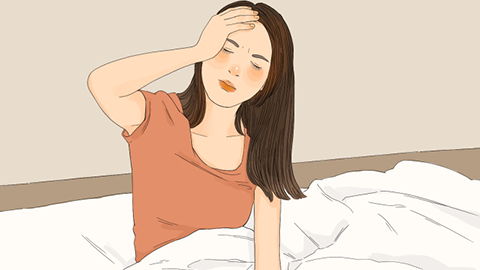
Chronic sleep deprivation alters normal physiological functions and harms the body—manifesting visibly as premature aging, dull complexion, and impaired cognitive function. Specifically, severe sleep deficiency can lead to weight gain by disrupting hormonal balance, increasing hunger-inducing hormone secretion (e.g., ghrelin), reducing satiety signals (e.g., leptin), promoting overeating, and hindering weight loss efforts. It significantly elevates the risk of developing type 2 diabetes and cardiovascular disease—especially among individuals whose blood vessels and nervous systems lack adequate rest. Frequent late-night activity predisposes individuals to cardiac events: elderly people are particularly vulnerable to myocardial infarction and arrhythmias, while blood pressure and lipid levels become unstable due to insufficient rest. Moreover, chronic sleep loss contributes to mental health issues—including increased smoking and alcohol consumption, anxiety, and depression—all well-documented adverse effects of habitual late-night activity.
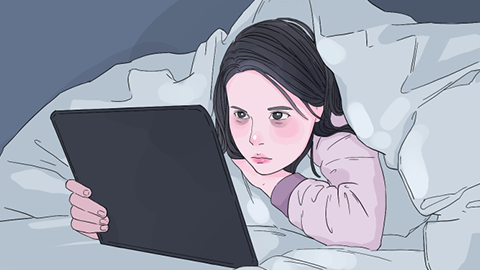
In daily life, avoid binge eating or consuming fried foods, which can irritate or damage the gastrointestinal tract. Since staying up late is detrimental to health, it is best to minimize or avoid it whenever possible. We hope this information proves helpful to you.


