


Why does a 3-month-old baby drool?

During childhood development, excessive drooling may occur due to physiological reasons or as a symptom of certain underlying medical conditions. Therefore, by carefully observing the child’s specific symptoms and manifestations—and implementing appropriate interventions—parents can help prevent serious neurological disorders. So, what causes drooling in a three-month-old baby?
What Causes Drooling in a Three-Month-Old Baby?
Common causes of drooling in three-month-old infants include physiological factors and oral ulcers. At this age, salivary glands are gradually maturing, leading to increased saliva production. However, the infant’s oral floor is relatively shallow and the oral cavity is small, making it difficult to retain saliva, which thus overflows. Additionally, swallowing function is not yet fully developed at three months, so infants cannot effectively swallow all the saliva produced, resulting in drooling. Generally, as the infant grows older, the oral cavity enlarges and swallowing coordination improves, causing drooling to gradually diminish and eventually resolve.
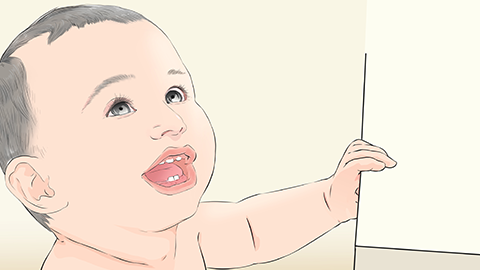
Parents should examine the infant’s mouth for signs of ulceration or injury. If oral lesions or ulcers are present, the infant may avoid swallowing saliva due to pain, thereby exacerbating drooling. As the oral tissue heals and returns to normal, drooling will typically decrease and resolve.

We recommend that parents closely monitor their baby’s condition and ensure adequate breastfeeding. We hope this information is helpful to you.


