


How long does it take for aspiration pneumonia to become fatal?

Pneumonia manifests with a range of symptoms, including cough, fever, and sputum production—symptoms that are typically quite pronounced. During laboratory testing, white blood cell counts rise significantly, and sputum cultures yield positive results; this represents the most common type of pneumonia encountered in clinical practice. So, how long does it take for someone with aspiration pneumonia to die?
How long does aspiration pneumonia take to become fatal?
The survival time for patients with aspiration pneumonia varies depending on individual circumstances. In mild cases, prompt and aggressive treatment—including antimicrobial therapy, expectorants, supportive medications, and nutritional support—can lead to full recovery. However, if the patient has comorbid cardiovascular or cerebrovascular conditions—such as heart failure, dysphagia leading to aspiration, or impaired cough reflex—the development of aspiration pneumonia becomes more difficult to control and prone to recurrence, resulting in severe illness. Aggressive pharmacologic intervention is essential to shorten the disease course. In cases complicated by respiratory distress, weak or ineffective cough, uncontrolled pulmonary infection, or bacterial drug resistance, mechanical ventilation via a ventilator may be required—and life-threatening complications can arise at any time.

Aspiration pneumonia commonly occurs in patients with severe catabolic illnesses, particularly near end-of-life, often secondary to heart failure or prolonged bed rest. These factors cause chronic congestion, edema, and inflammation in the dependent (lower) lung regions. Aspiration pneumonia is a bacterial infection, frequently polymicrobial, with Gram-negative bacteria being the predominant causative organisms.
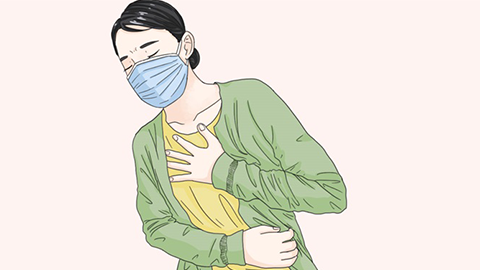
Patients are advised to consume light, easily digestible meals, chew thoroughly, swallow slowly, maintain adequate nutrition, ensure regular bowel movements, get sufficient rest, and drink plenty of fluids. We hope this information proves helpful to you.


