


How is pneumonia transmitted?
Jun 10, 2022
Source: Cainiu Health

Dr. Guo Xiheng
Introduction
Pneumonia can be transmitted through contact with respiratory droplets generated when an infected person sneezes. Clinically, most cases of pneumonia are not contagious; however, certain types—such as viral pneumonia and mycoplasmal pneumonia—are infectious. Healthy individuals may become infected upon exposure to these pathogens. Additionally, patients with pneumonia should cooperate with hospital-based treatment.
Most patients with pneumonia experience prominent coughing, and many diseases can spread via saliva. Consequently, many people worry that droplets from a pneumonia patient’s cough may contain bacteria. So, how is pneumonia transmitted?
How Is Pneumonia Transmitted?
Pneumonia can be transmitted through contact with respiratory droplets generated when an infected person sneezes or coughs. Clinically, most cases of pneumonia are non-contagious; however, certain types—such as viral pneumonia and mycoplasma pneumonia—are contagious. Healthy individuals may become infected upon exposure to these pathogens. Patients diagnosed with pneumonia should actively cooperate with medical treatment. When coughing or sneezing, they should cover their mouth and nose with a tissue to prevent transmission to others and, ideally, avoid going out altogether to minimize infection risk.
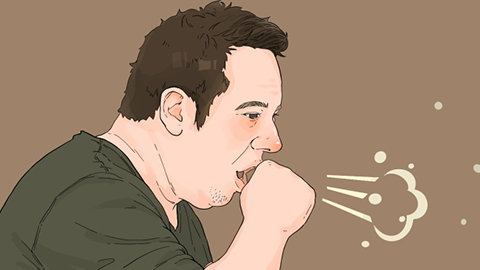
The most common symptoms of pneumonia include cough and sputum production; some patients also experience shortness of breath or dyspnea. In more severe infections, patients may produce thick or blood-tinged sputum. On auscultation, fixed rales (crackles) are often heard in the lungs. Fever is another frequent symptom—typically irregular in pattern. With severe bacterial or viral infection, persistent high fever may occur. Additionally, pneumonia can lead to gastrointestinal dysfunction—including diarrhea and vomiting—significantly impacting overall health. Prompt medical treatment is strongly recommended.

In daily life, it is advisable to wear masks, wash hands frequently, avoid crowded places, and refrain from touching objects in public areas. Living spaces should be ventilated regularly. Maintaining adequate nutrition and strengthening immunity can help reduce infection risk. We hope this information is helpful to you.


