


What Causes Drooling During Sleep in Adults?

Check whether the adult’s mouth is sufficiently hygienic. The temperature and humidity inside the oral cavity provide an ideal environment for bacterial proliferation. Food debris or sugar accumulating between teeth or on tooth surfaces increases susceptibility to dental caries and periodontal disease. These adverse factors are irritating and may cause drooling during sleep. Additionally, acquired habits—such as nail-biting, tongue-thrusting, or chewing on pencil tips—resulting from genetic predispositions can lead to malformation of the front teeth and nocturnal drooling. So, what causes adults to drool while sleeping?
What Causes Adults to Drool While Sleeping?
Drooling during sleep in adults is commonly attributable to improper sleeping posture, oral diseases, or spleen-stomach deficiency. Salivation during sleep is closely related to body position; incorrect posture may trigger excessive drooling. Adjusting one’s sleeping position can help alleviate this symptom. When adults experience drooling during sleep, they should also consider possible oral conditions—including gingivitis and dental caries—which may increase oral secretions and stimulate excess salivation. Spleen deficiency can likewise cause increased saliva production; therefore, cold or spicy foods should be avoided. Consuming hard-to-digest foods may further weaken the spleen and stomach, exacerbating excessive salivation. In summary, drooling before sleep warrants differentiation based on underlying pathological sites.

Certain common cerebrovascular disorders may also cause pathologically increased salivation—not merely the occasional, benign increase seen in daily life. Neurological disorders can trigger abnormally high salivary output, potentially signaling an underlying systemic abnormality. Upon waking, some individuals notice damp pillows or saliva residue at the corners of their mouths—classic signs of nocturnal drooling. Possible causes include improper sleeping posture, overstimulation of oral structures, spleen-stomach dysfunction, facial nerve inflammation (facial neuritis), or stroke. Dietary adjustments may help manage these conditions. If an adult wakes up to find their pillow soaked with saliva, this drooling may serve as an early warning sign of health concerns. Given the variety of potential causes, let’s examine them in detail.
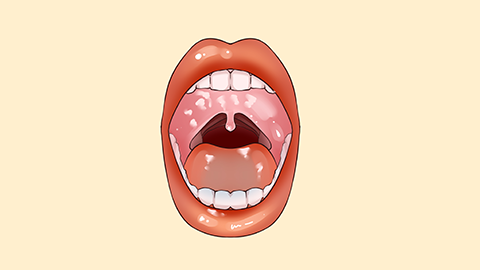
Physical fatigue, excessive mental exertion, or use of certain medications may disrupt nervous system function. During sleep, the brain may transmit erroneous signals, resulting in heightened salivary secretion and subsequent drooling. If accompanied by symptoms such as slurred speech, facial muscle weakness (e.g., drooping eyelids), or headache, these could indicate early signs of facial neuritis or stroke. We hope this explanation proves helpful.


