


Causes of Sudden Intracerebral Hemorrhage

It is well known that spontaneous intracerebral hemorrhage (ICH) has a profoundly serious impact on patients’ health. Without prompt intervention, the condition can be fatal; therefore, immediate treatment is essential. So, what causes spontaneous intracerebral hemorrhage?
Causes of Spontaneous Intracerebral Hemorrhage
There are numerous causes of intracerebral hemorrhage, with hypertension combined with cerebral arteriosclerosis being the most common. Other causes include cerebral arteriovenous malformations (AVMs), aneurysms, and certain hematologic disorders—such as leukemia and aplastic anemia. Some patients may develop hemorrhagic transformation following ischemic stroke or suffer from cerebral amyloid angiopathy, which is typically associated with lobar hemorrhage. Rare conditions—including moyamoya disease (also known as “smoke-like” disease) and cerebral arteritis—can also lead to ICH. Additionally, certain medications may trigger intracerebral hemorrhage: for example, warfarin sodium (an anticoagulant), thrombolytic therapy (which may cause secondary bleeding), and primary or metastatic brain tumors (resulting in tumor-related stroke and subsequent hemorrhage).
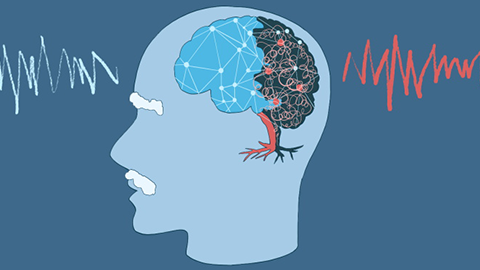
The optimal window for emergency management of intracerebral hemorrhage is as early as possible. Generally speaking, the first five minutes after onset are critically important—often referred to as the “golden five minutes.” The sooner medical attention is sought, the greater the chance of successful resuscitation. In cases of large-volume hemorrhage, patients may rapidly develop changes in vital signs; in severe instances, airway obstruction can lead to respiratory and cardiac arrest. Missing this critical time window significantly increases the risk of mortality.

Therefore, the optimal time for emergency intervention in intracerebral hemorrhage is as early as possible—immediate medical evaluation and treatment are imperative. We hope this information proves helpful.


