


How to Diagnose Aspiration Pneumonia

If a patient has aspiration pneumonia, bed rest during treatment is strongly recommended to prevent the infection from spreading to other parts of the body. If the infection has already disseminated systemically, close attention should be paid to related symptoms of aspiration pneumonia, and prompt medical intervention is essential. However, many patients have limited awareness of this condition, often leading to delayed diagnosis and treatment. So, how can one recognize aspiration pneumonia?
How to Identify Aspiration Pneumonia
Aspiration pneumonia is typically diagnosed based on clinical symptoms, which usually develop rapidly following aspiration. The predominant symptoms include irritative cough, wheezing, and dyspnea.
- Cough: Paroxysmal cough is common and often severe. Sputum production and respiratory secretions are markedly increased.
- Feeding difficulty: In infants, feeding triggers choking or gagging—manifested as milk aspiration—and milk or food may remain in the mouth.
- Dyspnea: Increased respiratory rate and deeper breathing are observed. Some patients exhibit perioral cyanosis (bluish-purple discoloration around the mouth) and nasal flaring.
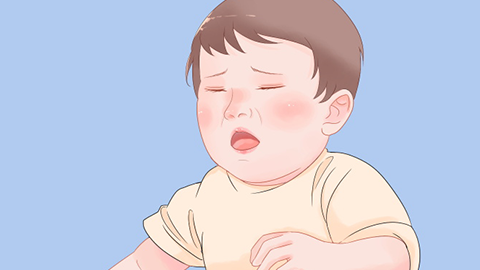
Aspiration pneumonia is an inflammatory pulmonary disease caused by the inhalation of oropharyngeal or laryngeal secretions into the lower airways, alveoli, and terminal bronchioles. Symptoms typically appear 1–3 hours after aspiration. Treatment includes supplemental oxygen therapy, removal of aspirated material via fiberoptic bronchoscopy or endotracheal intubation with suction, and antibiotic therapy to control infection and prevent progression or dissemination. A nutritionally balanced diet rich in dietary fiber, fresh fruits, and vegetables is recommended daily, ensuring adequate intake of protein, vitamins, trace elements, and dietary fiber. Combining plant-based foods with diverse food groups maximizes nutritional synergy.

Aspiration pneumonia poses significant health risks; therefore, timely prevention and treatment are crucial. We hope this information proves helpful.


