


Can erectile dysfunction resolve on its own?
Jun 20, 2022
Source: Cainiu Health
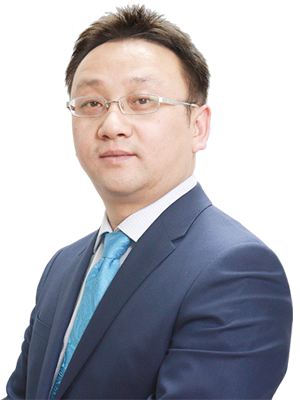
Dr. Luo Yong
Introduction
Patients with mild erectile dysfunction (ED) may recover spontaneously by modifying their lifestyle habits, whereas those with moderate-to-severe ED typically require a combination of pharmacotherapy and psychological/behavioral interventions to gradually restore function. Patients are generally advised to seek timely evaluation at a specialized sexual dysfunction clinic in a hospital. Comprehensive specialist examinations should be performed to accurately identify the underlying cause and severity of the condition, enabling individualized treatment strategies to achieve optimal therapeutic outcomes.
Mild cases of erectile dysfunction (ED) may resolve spontaneously through lifestyle modifications, whereas moderate-to-severe cases typically require pharmacological treatment combined with psychological and behavioral therapies for gradual recovery.
Erectile dysfunction—also termed “erectile disorder”—is primarily classified into two major categories: psychogenic and organic.
Organic ED includes neurogenic, vascular, endocrine, and structural/tissue-related subtypes. Research indicates that 86%–90% of ED cases are attributable to psychological factors. Notably, the majority of patients with erectile dysfunction exhibit varying degrees of psychological disturbance; however, purely psychogenic ED accounts for less than half of all cases.
Causes of erectile dysfunction are diverse and include psychological stressors, excessive masturbation, vascular diseases, prostatitis, benign prostatic hyperplasia (BPH), hypertension, diabetes mellitus, and Peyronie’s disease.
Patients are generally advised to seek timely evaluation at a specialized sexual dysfunction clinic in a hospital. A comprehensive assessment—including targeted physical examinations and diagnostic tests—is essential to identify the underlying etiology and severity, thereby enabling individualized, effective treatment. Additionally, patients should strive to maintain emotional relaxation and adhere to regular, healthy daily routines.



