


What Causes Tinnitus and Dizziness?

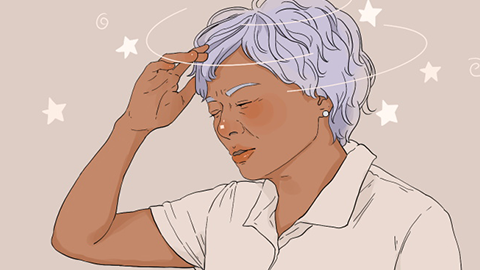
Tinnitus, once it occurs, can adversely affect an individual’s quality of life to some extent. Dizziness accompanied by tinnitus is also a common symptom of bodily dysfunction experienced by many people. So, what causes tinnitus and dizziness?
What Causes Tinnitus and Dizziness?
Tinnitus and dizziness may occur simultaneously or sequentially, generally indicating one of two primary underlying issues:
1. Ear-related disorders: The ear plays a critical role in maintaining balance. Ear-related conditions causing tinnitus and dizziness include external ear abnormalities—such as cerumen impaction or foreign-body irritation—as well as middle ear disorders like otitis media. Additionally, sudden sensorineural hearing loss, Ménière’s disease, or vestibular vertigo may all present with concurrent tinnitus and vertigo.
2. Intracranial disorders: These include cerebral ischemia, intracranial hemorrhage, or brain tumors. Such conditions commonly manifest with tinnitus and dizziness. Patients are advised to promptly consult a neurologist for a comprehensive neurological examination, as well as cranial CT or MRI scans, to rule out intracranial pathology.
Treatment strategies must be tailored according to the specific underlying pathology. For instance, external ear disorders may be managed with ear canal cleaning and anti-inflammatory therapy; middle ear disorders may benefit from nasal decongestant sprays to facilitate drainage and reduce inflammation. Inner ear disorders often require neurotrophic agents, blood-activating and stasis-resolving therapies, and interventions aimed at improving microcirculation within the inner ear to alleviate symptoms. When medical management proves ineffective for inner ear disorders, interventional procedures or surgical intervention may be considered. Surgery should always be performed at reputable, large-scale hospitals. We hope this information proves helpful to you!


