


What Causes Sudden Nosebleeds in the Middle of the Night?

A roommate in the same dormitory suddenly experienced epistaxis (nosebleed) in the middle of the night. Concerned that recurrent nosebleeds might affect future daily life, they sought advice regarding potential causes of nocturnal epistaxis. So—what causes sudden nosebleeds at night?
What Causes Sudden Nocturnal Epistaxis?
Sudden nocturnal epistaxis is often caused by damage to the nasal mucosa. The nasal mucosa is thin and highly vascularized; even minor trauma or rupture of small blood vessels can lead to bleeding. Applying cold water or an ice pack to the forehead helps constrict blood vessels and reduce bleeding. Oral administration of etamsylate tablets may also assist in hemostasis. Avoid strenuous physical activity during this time. If bleeding stops, refrain from forceful nose-blowing and simply monitor the situation. However, if heavy bleeding persists, seek immediate medical attention. A healthcare provider will examine the nasal cavity for signs of arterial rupture or active bleeding. Once diagnosed, electrocautery or plasma knife ablation may be used for definitive hemostasis.
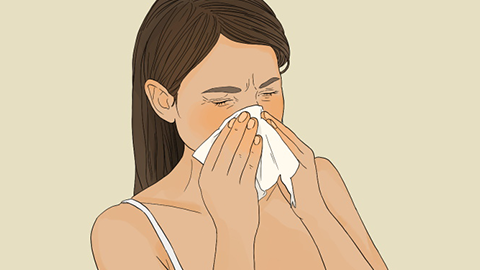
Epistaxis may lead to complications such as hemorrhagic anemia, rhinitis, or impaired memory. In severe cases, it can result in shock, thrombocytopenia, or respiratory distress. When epistaxis occurs, apply firm digital pressure to the soft part of the nose for 10–15 minutes to achieve hemostasis. If bleeding is profuse or fails to stop with pressure, immediate hospital evaluation is essential. Self-medication is strictly discouraged.
In daily life, using a humidifier to maintain optimal indoor humidity can help prevent epistaxis. Diet should remain mild and bland, minimizing intake of spicy or irritating foods. We hope this information proves helpful!


