


Can consuming overly nourishing foods cause nosebleeds?
Jun 27, 2022
Source: Cainiu Health

Dr. Xu Gang
Introduction
Excessive intake of supplements may cause nosebleeds. Most tonics are “heat-inducing” in nature—for example, ginseng and donkey-hide gelatin (ejiao). If a person does not have genuine deficiency, overconsumption of such tonics may lead to internal heat accumulation, resulting not only in nosebleeds but also in sore throat and dizziness. If an individual is genuinely deficient, they should first consult a qualified healthcare professional before beginning supplementation. Should any adverse symptoms arise during the course of supplementation, use must be discontinued immediately.
After becoming pregnant, women need to supplement various nutrients—not only to meet the developmental needs of the fetus but also to ensure their own adequate nutritional intake. Can excessive supplementation cause nosebleeds?
Can excessive supplementation cause nosebleeds?
Excessive intake of supplements may indeed trigger nosebleeds. Most traditional tonics—such as ginseng and donkey-hide gelatin (ejiao)—are considered “heat-inducing” in Traditional Chinese Medicine (TCM). If a woman is not genuinely deficient, overconsumption of such tonics may lead to internal “heat,” manifesting not only as epistaxis (nosebleeds) but also sore throat and dizziness. Even in cases of genuine deficiency, consultation with a qualified healthcare professional is essential before initiating supplementation. Should any adverse symptoms arise during the supplementation period, intake should be discontinued immediately.

Generally speaking, overeating—especially of rich or “heat-inducing” foods—can provoke postprandial “internal heat,” leading to nasal mucosal dryness and subsequent capillary rupture and bleeding. Dry nasal mucosa, coupled with accelerated blood flow, causes vasodilation and increases susceptibility to vessel rupture. Moreover, many highly nourishing foods contain abundant antiplatelet-aggregation components. Once ingested, these substances can readily affect the delicate capillaries in the nasal cavity, inducing vasodilation and rupture. Thus, while nutrient-dense foods are beneficial, moderation is key.
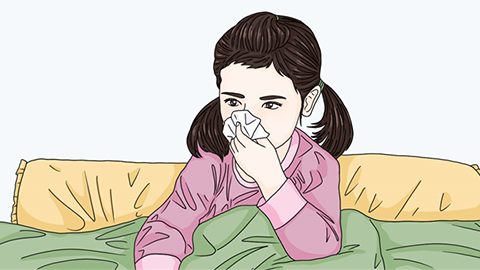
During episodes of epistaxis, avoid consuming hot foods or beverages. Instead, opt for lukewarm or cool foods rich in protein, vitamins, and iron—such as honey water, rice gruel, milk, or fruit juice. We hope this information proves helpful!


