


What does a hypoechoic thyroid nodule mean?

Some patients are diagnosed with hypoechoic thyroid nodules during hospital examinations. Although many have heard of “thyroid nodules,” they may be unfamiliar with the term “hypoechoic thyroid nodule.” So, what exactly does “hypoechoic thyroid nodule” mean?
What Does a Hypoechoic Thyroid Nodule Mean?
A hypoechoic thyroid nodule refers to a nodular lesion within the thyroid gland that exhibits reduced echogenicity on ultrasound imaging. Such nodules are commonly benign—often representing simple cysts. In particular, among middle-aged and elderly women, regional anatomical variations may contribute to compensatory follicular hyperplasia of the thyroid, which is frequently associated with abnormal hormonal metabolism. Prompt medical evaluation is recommended to confirm the diagnosis and determine an appropriate treatment plan.
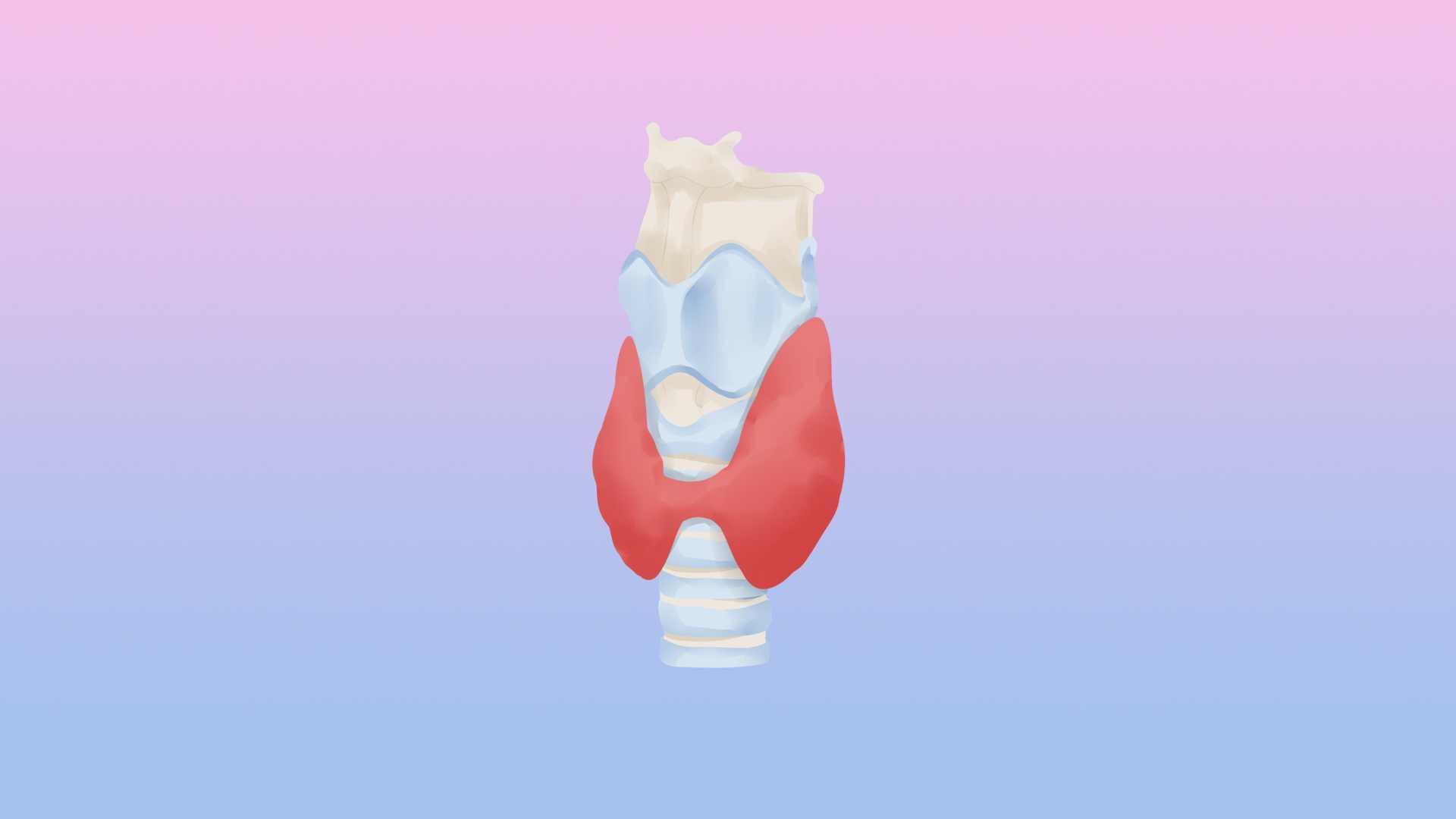
Thyroid nodules are broadly classified into three categories: benign nodules, hyperfunctioning (toxic) adenomas, and malignant nodules—each requiring distinct management strategies. A solitary nodule warrants heightened suspicion for malignancy; color Doppler ultrasound is routinely employed in clinical practice to aid assessment. Even in cases of confirmed hyperfunctioning adenoma, surgical excision remains the standard intervention. Furthermore, if a nodule enlarges significantly, it may compress the trachea or trigger secondary hyperthyroidism, necessitating surgical treatment.
Currently, surgical resection represents the most effective treatment for such conditions. However, because the recurrent laryngeal nerve lies in close proximity to the thyroid gland, the procedure demands a high level of surgical expertise. Injury to this nerve during surgery may impair vocal function. Therefore, patients should seek care from experienced surgeons at reputable medical institutions. We hope this information proves helpful!


