


Are there any risks associated with fine-needle aspiration biopsy of thyroid nodules?
Jun 28, 2022
Source: Cainiu Health

Dr. Pan Yongyuan
Introduction
There are certain drawbacks to performing a fine-needle aspiration (FNA) biopsy for thyroid nodules.
Pain: As FNA involves inserting a needle into the thyroid gland, patients may experience pain—typically mild and generally tolerable.
Impact on work capacity and productivity: Following the procedure, patients may suffer from insomnia and reduced work efficiency; in some cases, they may even temporarily lose their ability to work.
Thyroid nodules are a relatively common thyroid disorder. Some patients undergo fine-needle aspiration (FNA) biopsy of thyroid nodules. Does FNA biopsy of thyroid nodules carry any risks?
Does FNA biopsy of thyroid nodules carry any risks?
FNA biopsy of thyroid nodules does entail certain risks. Patients may experience pain: Since the procedure involves inserting a needle into the thyroid gland, mild discomfort or pain is possible—though typically tolerable. Impaired work capacity and reduced productivity: Following the biopsy, some patients may suffer from insomnia, leading to decreased work efficiency—or, in rare cases, temporary inability to work. Additionally, a subset of patients may develop ocular manifestations such as exophthalmos (protruding eyes) or binocular diplopia (double vision), significantly impairing occupational performance and daily functioning.
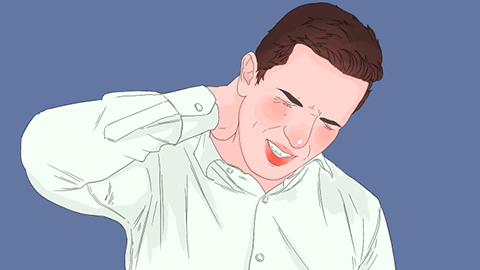
FNA biopsy is generally recommended for larger thyroid nodules, as it helps determine their nature—whether benign or malignant. When a nodule measures ≥1 cm and malignancy has not been definitively ruled out, physicians often recommend biopsy. Given the thyroid gland’s rich blood supply, minor bleeding may occur post-biopsy; however, this is usually minimal and resolves spontaneously with gentle pressure. In rare instances, more significant bleeding may lead to hematoma formation.
Post-procedure care is essential to minimize complications. Although extremely rare, there remains a theoretical risk of tumor cell dissemination during biopsy; however, documented cases are exceedingly uncommon. We hope this article has been helpful to you!






