


Can patients with thyroid nodules eat river shrimp?

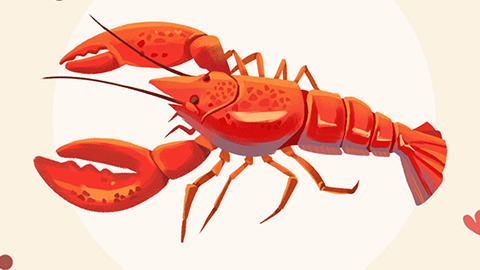
In coastal cities, seafood is relatively more abundant and commonly consumed. Recently, a thyroid nodule was detected during a routine check-up, leading the patient and family to assume it resulted from excessive salt intake—hence, freshwater shrimp were banned at home. So, can individuals with thyroid nodules eat freshwater shrimp?
Can individuals with thyroid nodules eat freshwater shrimp?
Individuals with thyroid nodules may consume freshwater shrimp in moderation. However, they should be mindful of high-iodine foods—such as nori (seaweed), kelp, and other seafood—and limit their intake accordingly. Spicy and stimulating foods should also be reduced. The vast majority of clinically diagnosed thyroid nodules are benign. In the absence of symptoms, regular monitoring is often appropriate. During observation, dietary habits should be carefully managed. If the nodule suddenly enlarges, shows signs of malignancy, or causes significant clinical symptoms, surgical intervention may be considered.
First, prioritize iodine-rich foods such as kelp, nori, wakame, scallops, jellyfish, sea cucumber, and soft-shelled turtle. Second, include foods known for their anti-inflammatory and swelling-reducing properties—such as water chestnuts, Chinese cabbage, mustard greens, and kiwifruit. Third, consume immune-boosting foods, including shiitake mushrooms, button mushrooms, walnuts, coix seed (Job’s tears), red dates, and fresh fruits.
Foods to avoid: tobacco and alcohol; spicy and stimulating foods—including onions, chili peppers, black pepper, and cinnamon; and greasy or deep-fried foods. We hope this information proves helpful!


