


What does “bilateral thyroid nodules” mean?
Jun 28, 2022
Source: Cainiu Health

Dr. Pan Yongyuan
Introduction
Bilateral thyroid nodules refer to nodular lesions occurring separately in the normally positioned left and right lobes of the thyroid gland. However, it is not possible to determine whether these nodules are benign or malignant based solely on this finding. On ultrasound, benign nodules typically appear regular in shape, with well-defined margins and homogeneous echogenicity. In contrast, malignant nodules often exhibit irregular shapes, ill-defined margins, a height-to-width ratio greater than 1, and may contain microcalcifications (sand-like calcifications).
Patients with thyroid disorders may develop various conditions. Some individuals suspect they have a thyroid disease and visit the hospital for a physical examination, only to be diagnosed with bilateral thyroid nodules. But what exactly do “bilateral thyroid nodules” mean?
What Are Bilateral Thyroid Nodules?
Bilateral thyroid nodules refer to nodular lesions occurring separately in both the left and right lobes of the normally structured thyroid gland. However, imaging alone cannot determine whether such nodules are benign or malignant. On ultrasound, benign nodules typically appear regular in shape, with well-defined margins and homogeneous echogenicity. Malignant nodules, by contrast, often exhibit irregular shapes, ill-defined margins, a height-to-width ratio greater than 1, microcalcifications (resembling sand grains), and abundant peripheral blood flow signals. Ultrasound achieves over 90% diagnostic accuracy for thyroid cancer nodules.
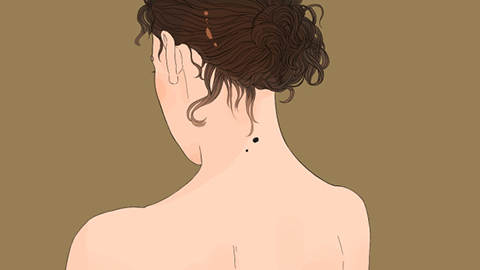
Many people know that normal thyroid hormone levels are essential for maintaining everyday bodily functions and overall health—it is the primary hormone regulating metabolism. Excessively high thyroid hormone levels cause hyperthyroidism, whereas abnormally low levels lead to hypothyroidism. When thyroid function declines, patients commonly experience fatigue, reduced speech, and periorbital edema. Conversely, excessive thyroid hormone production results in hyperthyroidism, manifesting as a hypermetabolic syndrome characterized by symptoms such as thirst, fatigue, and anxiety.
If a patient develops thyroid nodules, it is recommended to maintain a light, low-irritant diet and undergo regular thyroid ultrasound examinations at the hospital. Should malignancy be detected, prompt surgical intervention—under the guidance of a qualified physician—is essential. We hope this article has been helpful to you!


