


Are thyroid hypoechoic nodules classified as Category 3 serious?
Jun 28, 2022
Source: Cainiu Health

Dr. Pan Yongyuan
Introduction
A Grade 3 hypoechoic thyroid nodule is not serious. Hypoechoic thyroid nodules are commonly caused by multiple factors, including chronic inflammation, familial genetic predisposition, and individual constitutional factors; however, in rare cases, malignant transformation may occur. If a thyroid nodule shows no signs of malignancy, specific treatment is generally unnecessary—regular follow-up examinations are sufficient, along with maintaining healthy lifestyle and dietary habits.
A Category 3 hypoechoic thyroid nodule refers to a finding graded as Level 3 on color Doppler ultrasound. Color Doppler ultrasound assessments are classified into six categories in total. So, how serious is a Category 3 hypoechoic thyroid nodule?
Is a Category 3 hypoechoic thyroid nodule serious?
A Category 3 hypoechoic thyroid nodule is generally not considered serious. Such nodules commonly arise from multiple factors, including chronic inflammation, familial genetic predisposition, and individual constitutional factors. Although rare, malignant transformation remains a possibility in isolated cases. If a thyroid nodule shows no suspicious features suggestive of malignancy, specific treatment is typically unnecessary; instead, regular follow-up monitoring and maintenance of healthy lifestyle and dietary habits are recommended. However, surgical intervention should be initiated promptly if the nodule is large or demonstrates rapid growth.
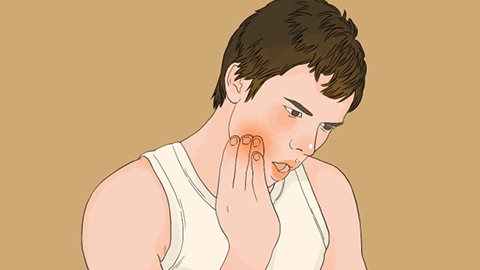
The clinical significance of a Category 3 thyroid nodule requires further sub-classification: Category 3a nodules have a high probability of being benign and are generally not serious. In contrast, Category 3b nodules carry a relatively higher risk of malignancy and warrant further evaluation via fine-needle aspiration biopsy (FNAB). While benign thyroid nodules pose minimal health risks, a confirmed diagnosis of malignancy necessitates timely therapeutic intervention and is therefore considered a serious condition.
If a Category 3 hypoechoic thyroid nodule coexists with hyperthyroidism, prompt treatment with methylprednisolone or radioactive iodine therapy may be indicated—both requiring strict supervision and prescription by a physician. Surgical resection is necessary when thyroid enlargement causes tracheal or esophageal compression leading to respiratory distress. We hope this article has been helpful to you. Wishing you a joyful life and optimal health!




