


What does a thyroid anechoic nodule mean?

Thyroid nodules are a common clinical thyroid disorder, most often detected and diagnosed via thyroid ultrasound. So, what does a “non-echoic thyroid nodule” mean?
What Does a Non-Echoic Thyroid Nodule Mean?
A non-echoic thyroid nodule is a term used in thyroid ultrasound imaging. Thyroid nodules refer to abnormal growths within the thyroid gland. Healthy individuals typically do not have thyroid nodules. “Non-echoic” describes the ultrasound appearance of a thyroid nodule—usually indicating a cystic (fluid-filled) lesion. Most non-echoic thyroid nodules are benign.

However, some non-echoic thyroid nodules may exhibit atypical blood flow patterns on Doppler ultrasound, raising suspicion for malignancy. In such cases, a comprehensive evaluation—including thyroid color Doppler ultrasound and other clinical features (e.g., nodule size, number, and height-to-width ratio)—is essential to differentiate benign from malignant nodules. Fine-needle aspiration biopsy (FNAB) may be necessary when indicated. If malignancy is confirmed, surgical intervention is required; if benign, observation or medical management may be appropriate.
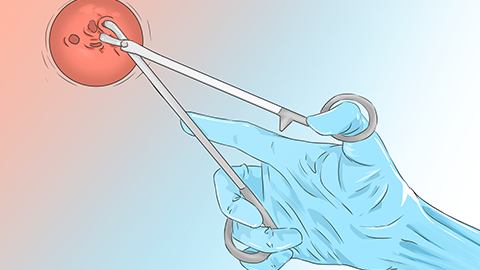
Thyroid nodules can be classified as solid, cystic, or mixed (cystic-solid). During B-mode ultrasound examination, different types of nodules produce distinct echogenic patterns. Solid nodules—composed entirely of solid tissue—appear hypoechoic, hyperechoic, or isoechoic. Cystic nodules—filled entirely with fluid—appear anechoic (non-echoic). Mixed nodules—containing both solid and cystic components—exhibit mixed echogenicity and are termed cystic-solid nodules. We hope this explanation has been helpful. Wishing you good health and happiness!


