


Symptoms of Cervical Spondylosis with Spinal Cord Compression

Some patients with cervical spondylosis occasionally experience spinal cord compression but are unaware of its associated symptoms. So, what are the symptoms of spinal cord compression in cervical spondylosis?
Symptoms of Spinal Cord Compression in Cervical Spondylosis
When the spinal cord is compressed due to cervical spondylosis, it may lead to abnormal reflexes—for example, positive pathological signs in the bilateral biceps brachii and triceps brachii muscles. Patients often experience increased muscle tone in the lower limbs, gait instability, and urinary or fecal incontinence.
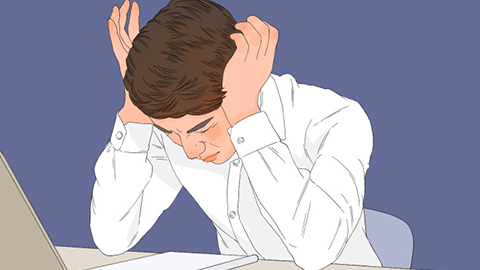
Additionally, after disease onset, patients may lose the ability to perform fine motor tasks—such as using chopsticks to pick up food or typing on a keyboard. It is also important to note that the nature of the lesion varies among individuals; thus, the progression rate and extent of involvement differ. For instance, spinal cord tumors typically progress slowly at first but may eventually evolve into acute spinal cord compression.
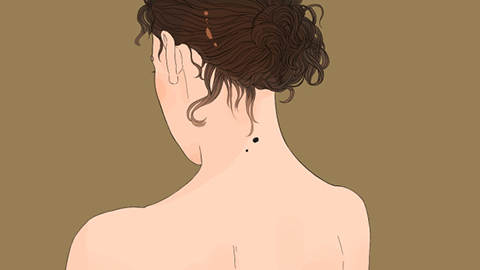
Moreover, a small number of patients may develop neurological impairments such as increased muscle tone and hyperreflexia. These complications not only hinder daily functioning but may also result in long-term sequelae, severely impacting the patient’s health. Therefore, when patients experience any bodily discomfort, they should promptly seek medical evaluation and treatment to avoid disease progression. We hope this information has been helpful!


