


Can cervical spondylosis cause dizziness and nausea?

Cervical spondylosis is a relatively common inflammatory condition affecting the cervical spine. Some patients experience symptoms such as dizziness and nausea during the course of their illness, and may attribute these symptoms to cervical spondylosis. But can cervical spondylosis actually cause dizziness and nausea?
Can cervical spondylosis cause dizziness and nausea?
Yes, cervical spondylosis can indeed cause these symptoms—particularly in the vertebral artery type of cervical spondylosis. This subtype impairs blood supply via the vertebral arteries, leading to posterior circulation ischemia, which may manifest as headache, dizziness, nausea, and vomiting. Diagnostic evaluations may include color Doppler ultrasound of the neck vessels and transcranial Doppler (TCD) examination. In daily life, it is advisable to move the neck regularly and avoid prolonged periods of neck flexion (e.g., looking down). Additionally, applying heat therapy and gentle massage to the neck, using medicated plasters combined with infrared lamp irradiation, and taking flunarizine (a calcium channel blocker) to improve cerebral blood flow may help alleviate symptoms.
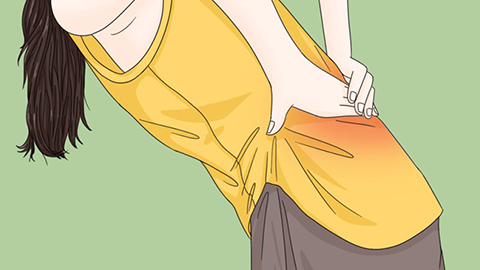
Certain physical exercises can aid in managing cervical spondylosis, including cervical range-of-motion exercises (“neck操”), the “swallow-flying” exercise, swimming, and shoulder-shrugging movements. Regular, proper performance of these exercises helps strengthen the neck musculature and enhance cervical blood circulation—thereby contributing to both prevention and treatment of cervical spondylosis. Cervical range-of-motion exercises involve forward flexion, extension, lateral flexion, and rotation of the neck. These movements improve cervical flexibility, relieve muscle spasm, and thus exert therapeutic effects on cervical spondylosis.
Daily cervical spine protection is essential—minimize time spent with the head bent downward. Many occupations require prolonged forward head posture (e.g., desk-based work). Therefore, during breaks or after work, engage in activities beneficial for the cervical spine. For instance, playing badminton—especially overhead strokes that encourage upward gaze—provides effective cervical exercise. We hope this information proves helpful!


