


Can cervical spondylosis cause high blood pressure?
Jun 29, 2022
Source: Cainiu Health

Dr. Lin Yunfei
Introduction
Cervical spondylosis can lead to hypertension. It may cause reactive hypertension due to insufficient cerebral blood supply. Patients typically present with chronic neck symptoms. Although cervical spondylosis can contribute to hypertension, it is not a primary cause; hypertension has numerous etiologies. To avoid inappropriate treatment, the underlying cause should first be identified, followed by targeted therapy.
Most individuals with cervical spondylosis experience pain and dizziness; sometimes, patients may also develop elevated blood pressure. So, does cervical spondylosis cause hypertension?
Does cervical spondylosis cause hypertension?
Cervical spondylosis can lead to hypertension—specifically, reactive hypertension resulting from insufficient cerebral blood supply. Patients typically present with chronic neck symptoms. While cervical spondylosis may contribute to hypertension, it is not a primary cause. Hypertension has numerous etiologies; therefore, to avoid inappropriate treatment, the underlying cause must first be accurately identified before initiating targeted therapy.
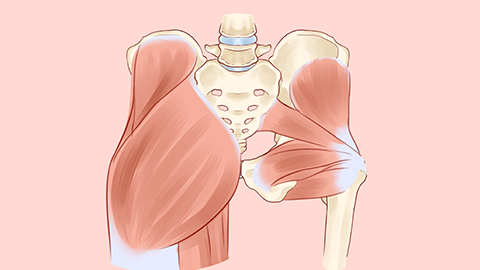
Cervical spondylosis poses serious threats to patients’ health and quality of life. Thus, once diagnosed, it warrants immediate attention and active cooperation with physicians during treatment. Daily self-care is equally important: avoid prolonged computer use; take brief breaks every hour to stand up and move around. During spare time, perform cervical spine exercises to help prevent cervical spondylosis.
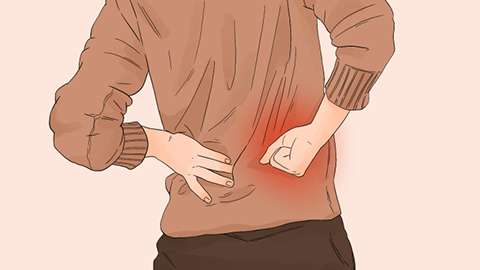
When hypertension arises secondary to cervical spondylosis, treating the underlying cervical condition is essential—and once cervical spondylosis improves, blood pressure often returns to normal. To reduce the risk of developing cervical spondylosis, preventive measures should begin early: strengthen the muscles of the neck and shoulders, correct poor posture and unhealthy habits in daily life, use a low pillow while sleeping, maintain proper head alignment (looking straight ahead) while reading, and keep the spine upright. We hope this article has been helpful. Wishing you a joyful life and good health!


