


Can pink eye affect only one eye?
Jun 29, 2022
Source: Cainiu Health

Dr. Chen You
Introduction
Conjunctivitis (pink eye) can affect just one eye. It is commonly caused by colds, bacterial or viral infections, and is characterized by increased eye discharge, conjunctival redness (bloodshot eyes), and tearing. Antiviral and anti-inflammatory eye drops—such as acyclovir and ofloxacin eye drops—may be applied topically. Ensure adequate rest, avoid staying up late, wash hands frequently, use a personal face towel, and take precautions to prevent cross-infection.
“Red eye disease” commonly refers to acute conjunctivitis caused by viral infection, though it may also result from bacterial infection. The typical course of the disease lasts approximately 3–4 weeks and is characterized primarily by marked conjunctival hyperemia (redness) and purulent or watery ocular discharge. Red eye disease can be transmitted via direct contact with an infected individual or indirectly through contact with the patient’s personal items. So, can red eye disease affect only one eye?
Can red eye disease affect only one eye?
Yes, red eye disease can initially involve only one eye. It is typically triggered by colds, bacterial, or viral infections and presents with increased ocular discharge, conjunctival redness, and tearing. Topical antiviral and anti-inflammatory eye drops—such as acyclovir and ofloxacin eye drops—may be used for treatment. Adequate rest, avoidance of late-night activities, frequent handwashing, use of a dedicated face towel, and prevention of cross-contamination are essential. If the contralateral eye becomes infected, treatment should be extended to both eyes; in such cases, the disease course may be slightly prolonged, and rest remains critical.
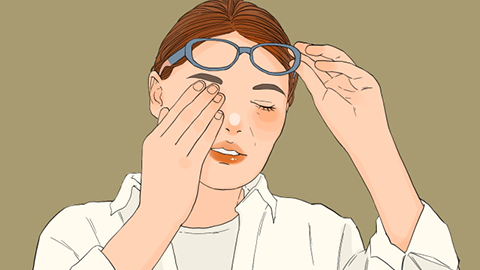
Maintain strict personal hygiene to prevent cross-infection. Personal items—including towels and washbasins—should be kept separate from those used by others and never shared. This significantly reduces the risk of cross-infection. When visiting public places, minimize touching surfaces whenever possible. If contact does occur, wash hands promptly, as failure to do so may reintroduce pathogens. Avoid rubbing the eyes, since hand-to-eye contact can introduce bacteria; therefore, refrain from rubbing your eyes altogether.

In daily life, cultivate healthy lifestyle and dietary habits. We hope this information has been helpful to you.


