


What Should People with Myopia Pay Attention To?

Myopia itself is not inherently severe; however, if left untreated, it may progress and lead to complications such as scleral staphyloma, retinal atrophy and degeneration, subretinal neovascularization, and retinal detachment. So, what precautions should individuals with myopia take?
Precautions for Individuals with Myopia
Eye fatigue is a common issue—especially among students who frequently use their eyes without adequate rest while studying intensively throughout the day. Similarly, office workers, particularly those who spend prolonged periods staring at computer screens, overuse their eyes, causing the ciliary muscle to remain in a state of sustained tension—this is a primary cause of myopia. Eye hygiene is essential: individuals who frequently handle ink or money must wash their hands regularly. When experiencing dryness or itching in the eyes, avoid rubbing them directly with your hands. Keep a small towel or clean tissue handy to gently cleanse the eyes whenever needed. Wear properly prescribed eyeglasses to ensure clear vision, which helps alleviate eye strain.
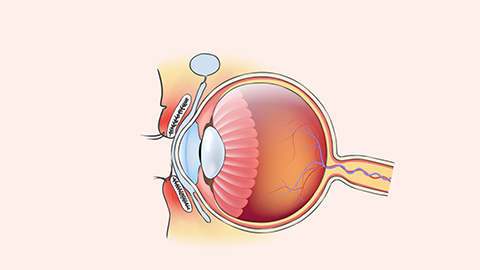
Develop good ocular hygiene habits, undergo regular vision and refractive error examinations, and promptly update corrective lenses when refractive power changes. Engage in regular physical exercise, maintain a balanced diet, and ensure sufficient sleep. Appropriately control reading distance and duration, and increase time spent outdoors. For individuals with moderate to high myopia, sudden onset of floaters, photopsia (flashes of light), or a curtain-like shadow obscuring part of the visual field warrants immediate dilated fundus examination to rule out retinal tears or retinal detachment; laser treatment or surgical intervention may be required if indicated.

Patients are advised to avoid rubbing their eyes with their hands in daily life and to limit prolonged exposure to electronic devices. We hope this information proves helpful.


