


How to Restore Myopia in Children

People often say that the eyes are the windows to the soul—through them, we behold all the beauty the world has to offer. Glasses-wearers are ubiquitous on city streets. Over time, wearing glasses can significantly affect one’s appearance and impose considerable inconvenience and limitations on daily life and physical activities. So, how can childhood myopia be reversed?
How to Reverse Childhood Myopia
Reversing childhood myopia begins with an accurate refraction examination. Generally, when intraocular pressure is normal, a cycloplegic refraction test should be performed to assess the eye’s refractive status. Based on the refractive error, either spectacles or contact lenses may be prescribed for optical correction. Concurrently, it is essential to screen for strabismus and amblyopia. For patients with low myopia who are not candidates for surgery, orthokeratology (OK) lenses—also known as corneal reshaping lenses—are commonly recommended. This non-invasive, reversible method is widely recognized as highly effective in preventing and controlling the progression of myopia. Because the physiological correction is reversible, OK lenses can be replaced if myopia progresses with age.

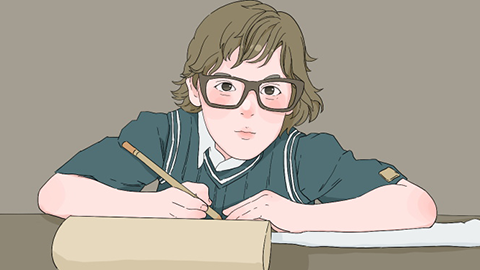
To prevent myopia, children should cultivate healthy reading habits: sit upright while reading, maintain a distance of approximately one foot (30 cm) between the eyes and the book, and ensure ambient lighting is soft—not overly bright nor excessively dim—to avoid eye strain and discomfort associated with myopia. Whether reading, studying, or watching television, take periodic breaks to gaze into the distance and relax the eyes—this helps prevent myopia onset and progression.
In daily life, regularly performing eye exercises and massaging acupoints around the eyes can effectively relieve ocular fatigue and help prevent myopia. We hope this information proves helpful to you.


