


What Is the Difference Between Astigmatism and Myopia?

With myopia (nearsightedness), distant objects appear blurry, while near vision may also be impaired, leading to overall reduced visual acuity. Severe myopia can cause headaches and dizziness; high myopia is associated with opacities in the refractive media and degenerative changes in the retina and choroid. Patients experience poor distance and near vision, and sometimes report seeing floaters.
What Is the Difference Between Astigmatism and Myopia?
Astigmatism arises from unequal refractive power across different meridians of the cornea, whereas myopia involves uniform refractive error across all meridians. For example, if both the horizontal and vertical meridians exhibit −1.00 D (100-degree) myopia, the eye has simple myopia of −1.00 D. However, if the horizontal meridian shows −1.00 D myopia while the vertical meridian shows −2.00 D myopia, the eye has −1.00 D myopia combined with −1.00 D astigmatism, with the astigmatic axis at 90 degrees. This difference in refractive power distribution across meridians constitutes the primary distinction between astigmatism and myopia. Moreover, astigmatism itself can be further classified as myopic astigmatism or hyperopic astigmatism.
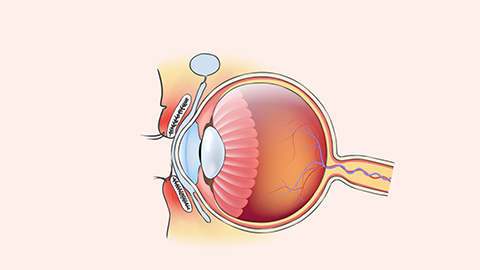
Both astigmatism and myopia manifest as decreased visual acuity. In cases of mild simple astigmatism or mild simple myopia, visual impairment may be minimal and clinically insignificant. However, high myopia not only causes markedly reduced vision but may also lead to sight-threatening fundus complications—though these are often correctable with optical aids or surgery. In contrast, high astigmatism typically results in significantly diminished visual acuity.

In daily life, patients should maintain a positive mindset and actively cooperate with their physicians during treatment. Medications should be taken on schedule and in the prescribed dosage, and proper daily eye care should be observed to facilitate prompt improvement of the condition. We hope this explanation proves helpful.


