


What happens if you wear astigmatism-correcting lenses for a long time?

Astigmatism not only impairs visual acuity but also causes significant inconvenience in daily life. If left untreated, the condition may progressively worsen—increasing treatment complexity and raising the risk of other ocular diseases, potentially even leading to blindness. So, what happens if you wear astigmatic (toric) glasses for an extended period?
What Happens When You Wear Astigmatic Glasses Long-Term?
Individuals with astigmatism that significantly affects vision require long-term use of corrective astigmatic glasses. Wearing such glasses over an extended period does not harm the eyes. On the contrary, failing to correct astigmatism promptly may lead to visual fatigue. In most patients, astigmatism results from congenital developmental factors and therefore remains relatively stable over time. Should you notice any visual abnormalities, it is essential to visit a reputable hospital for precise medical refraction. Provided the eyeglass frame remains undistorted, the lenses are unscratched, and the prescription—including spherical power, cylindrical power, axis orientation, pupil height, and interpupillary distance—is accurate, prolonged use of astigmatic glasses poses no adverse effects on eye health.
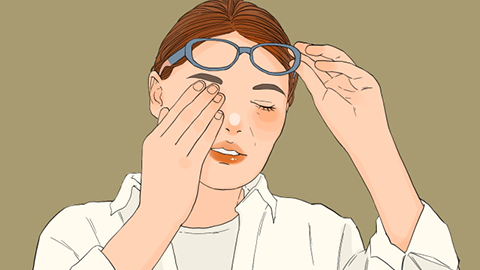
Astigmatism can result from poor visual habits. Certain unhealthy lifestyle practices may also contribute to its development—for instance, holding reading or writing materials excessively close to the eyes; frequently reading, writing, or using smartphones; prolonged screen time; reading or using mobile devices while riding in a moving vehicle; or using digital devices under lighting conditions that are either excessively bright or insufficiently dim.

Patients are advised to maintain proper eye posture, practice good ocular hygiene, balance work and rest appropriately, and optimize their working environment. We hope this information proves helpful to you.


