


What does “red eye disease” mean?

When discussing “red eye disease,” many people immediately assume it is highly contagious. If someone nearby has been diagnosed with this condition, others may become somewhat anxious, fearing they too might contract it. Therefore, understanding its specific transmission routes is essential to implementing targeted preventive measures. So, what exactly is red eye disease?
What Is Red Eye Disease?
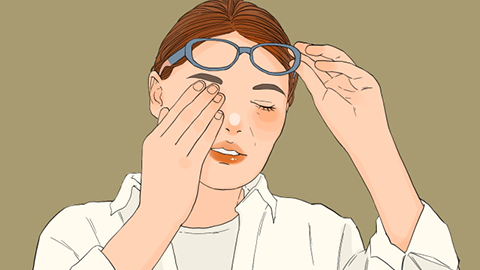
Red eye disease is a common ocular infectious condition—but it is not frightening. As long as proper eye hygiene is maintained—such as avoiding sharing handkerchiefs or towels and refraining from touching the face or eyes with unwashed hands—the risk of infection can be significantly reduced. Patients diagnosed with red eye disease need not panic; instead, they should keep their eyes clean and adhere to prescribed medication regimens. Inflammation caused by conjunctival infection is often accompanied by discharge, which may feel sticky or adhesive. Primary symptoms include conjunctival hyperemia (redness), mucoid discharge, initial ocular pain, itching, foreign-body sensation, photophobia, burning sensation, conjunctival injection (red eyes), excessive secretions, ocular stinging, tearing, and blurred vision.

The primary mode of transmission for red eye disease is contact infection—i.e., pathogenic microorganisms are introduced into the eye via unclean hands or contaminated items such as towels. Specifically, “red eye disease” refers to acute epidemic hemorrhagic conjunctivitis, an acute infectious disease caused by adenoviruses. It typically occurs when an individual’s immune resistance is compromised. Prevention mainly focuses on avoiding close contact. For example, after administering eye drops to a patient, one must thoroughly wash and disinfect hands. Towels and other household items should be exposed to direct sunlight to achieve natural disinfection. Interrupting transmission pathways represents an effective clinical prevention strategy.
In terms of diet, patients should avoid spicy, stimulating foods, as well as smoking and alcohol consumption. Red eye disease is a highly contagious form of conjunctivitis, most commonly occurring in spring and autumn. We hope this explanation proves helpful.


