


How can conjunctivitis (pink eye) resolve more quickly?

When discussing conjunctivitis—commonly known as “pink eye”—many people immediately assume it is highly contagious. If someone nearby has been diagnosed with the condition, others may become anxious or even panicked, fearing they too might contract it. Therefore, understanding its specific transmission routes is essential to implementing targeted preventive measures. So, how can one recover quickly from pink eye?
How to Recover Quickly from Pink Eye
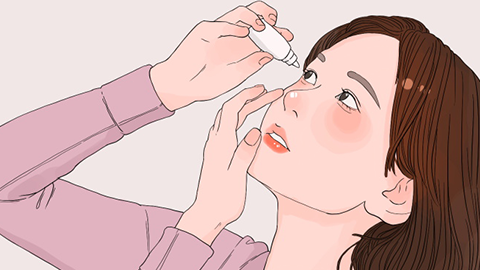
In most cases, prompt medical attention is recommended for pink eye. Also known as acute epidemic conjunctivitis, this condition is primarily caused by bacterial infection. Symptoms—including sudden onset of redness, foreign-body sensation, and increased eye discharge—can appear rapidly. Diagnosis is typically confirmed via slit-lamp examination. Treatment should begin promptly with topical antibiotic and antiviral eye drops. With appropriate therapy, symptoms usually resolve completely within 2–4 weeks. During treatment, maintaining good ocular hygiene is crucial: avoid spicy foods and eye strain, both of which support recovery from conjunctivitis. Additionally, identifying potential allergens is important, as allergic conjunctivitis can also cause redness and a foreign-body sensation. Symptoms may flare upon exposure to allergens; thus, timely identification and removal of the offending allergen are essential.
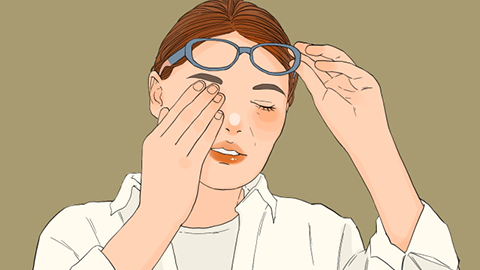
If you develop pink eye, avoid rubbing your eyes. Rubbing can damage local ocular tissues—causing swelling and potentially injuring the cornea. Moreover, hands often carry pathogens and bacteria; touching your eyes transfers these microbes, increasing the risk of transmission to others—even if they merely touch the same surfaces you have. For patients already affected, a light, bland diet is advised. Emotional stress—such as anger—may exacerbate symptoms. Therefore, it’s best to avoid spicy, stimulating, or allergenic foods (e.g., fish, shrimp, beef, lamb), as well as tobacco and alcohol, all of which may worsen inflammation. Instead, drink plenty of water, consume ample vegetables and fruits, maintain regular bowel movements, and ensure adequate rest.
Dietary recommendations include avoiding spicy and irritating foods, as well as smoking and alcohol consumption. Pink eye is a highly contagious form of conjunctivitis, most commonly occurring in spring and autumn. We hope this information proves helpful.


