


Does pink eye require dietary restrictions?
Jun 29, 2022
Source: Cainiu Health

Dr. Chen You
Introduction
Patients with conjunctivitis should avoid certain foods. Specifically, they should avoid spicy and irritating foods, greasy foods, and seafood such as fish, shrimp, and crab. Patients are advised to quit smoking and abstain from alcohol, and to consume more vegetables and fruits rich in vitamins. During treatment with herbal remedies, patients with conjunctivitis should pay attention to periorbital care and must not rub their eyes with unclean hands.
Conjunctivitis (commonly known as “pink eye”) has a relatively high incidence in daily life and often proves difficult to resolve completely. It is therefore important to understand the available treatment options and adopt appropriate therapeutic measures promptly upon onset—so as to recover as quickly as possible. So, are there dietary restrictions for patients with conjunctivitis?
Are there dietary restrictions for conjunctivitis?
Patients with conjunctivitis should avoid certain foods. Specifically, they should steer clear of spicy and irritating foods, greasy or fatty foods, and seafood such as fish, shrimp, and crab. Smoking and alcohol consumption should be strictly avoided. Instead, patients are encouraged to consume plenty of vegetables and fruits rich in vitamins. When undergoing herbal or symptomatic treatment, patients must pay special attention to periorbital hygiene—never rubbing the eyes with unwashed hands. Swimming is strictly prohibited, as contact with unclean water may worsen the condition. Patients should also maintain a balanced diet, ensure adequate sleep, and prioritize rest.
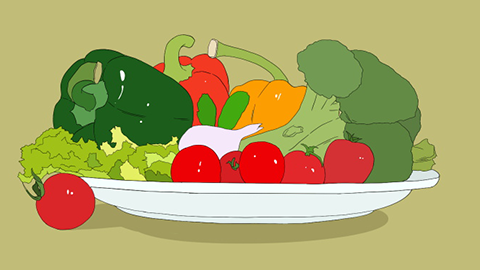
Following the onset of conjunctivitis, some patients may experience systemic symptoms—including loss of appetite, nausea, and headache—leading to reduced food intake. In such cases, timely dietary adjustments are essential: avoid overeating, binge eating, and consuming spicy or irritating foods. Instead, emphasize easily digestible, liquid-based, and bland meals. Increasing intake of fresh vegetables and fruits helps supply sufficient vitamins, thereby supporting immune function and promoting recovery.
For conjunctivitis, strict isolation measures are crucial to prevent transmission via direct contact. Concurrently, topical anti-infective medications should be administered to alleviate symptoms. We hope this information proves helpful to you.


