


What should I do for conjunctivitis in a two-year-old child?

“Red eye disease” (conjunctivitis) is an acute hemorrhagic conjunctivitis, highly contagious and most commonly occurring in spring and summer. Once one person develops this condition, family members are at high risk of contracting it as well. Therefore, appropriate isolation is recommended after diagnosis. So, what should be done if a two-year-old child develops red eye disease?
Management of Red Eye Disease in a Two-Year-Old
“Red eye disease,” commonly known as conjunctivitis, encompasses several subtypes, each requiring distinct treatment approaches. Common types include bacterial conjunctivitis, viral conjunctivitis, and allergic conjunctivitis. In bacterial conjunctivitis, conjunctival hyperemia and redness are accompanied by copious purulent discharge—typically yellow or yellow-white in color. Treatment requires prescription antibiotic eye drops under medical supervision. Strict ocular hygiene must be maintained, and the child must be prevented from rubbing their eyes to avoid infecting the unaffected eye. Viral conjunctivitis usually presents with abundant watery discharge. Antiviral medications are indicated for this form. Allergic conjunctivitis is frequently associated with intense ocular pruritus and may involve pronounced systemic allergic reactions. Topical antiallergic eye drops are prescribed upon identification of the triggering allergen.
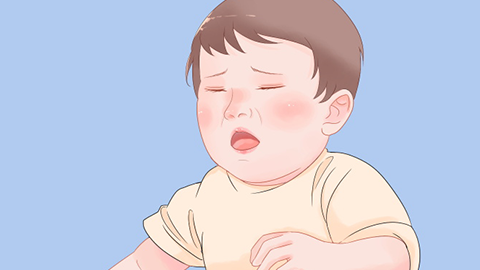
Upon suspecting conjunctivitis, prompt referral to an ophthalmologist is essential to determine its underlying cause—whether infectious or non-infectious. If infectious, targeted therapy based on the causative pathogen is required: antibiotics for bacterial infection, antivirals for viral infection, and specific antimicrobial agents for infections caused by other microorganisms. For non-infectious causes, identifying the allergen is critical, followed by symptomatic management—for example, antiallergic therapy. If dry eye is implicated, meticulous ocular hygiene should be emphasized.

If your infant develops red eye disease, a slit-lamp examination at a hospital is necessary to confirm the specific type of conjunctivitis, enabling precise, type-specific pharmacotherapy. We hope this information proves helpful.


