


How to Treat Conjunctivitis for the Fastest Recovery
Jun 29, 2022
Source: Cainiu Health

Dr. Chen You
Introduction
Conjunctivitis (commonly known as “pink eye”) should be treated promptly at a hospital for the fastest recovery. Also referred to as acute epidemic conjunctivitis, it is primarily caused by bacterial infection. Symptoms—including sudden onset of redness, foreign-body sensation, and increased eye discharge—can appear rapidly within a short period. Diagnosis can be confirmed via slit-lamp examination, and timely treatment with antibiotic and antiviral eye drops is essential. Typically, symptoms resolve completely within 2–4 weeks.
When discussing conjunctivitis—commonly known as “pink eye”—many people immediately assume it is highly contagious. If someone nearby has been diagnosed with the condition, others may become anxious or even panicked, fearing they too might contract it. Therefore, understanding its specific transmission routes is essential to implementing targeted preventive measures. So, what is the fastest and most effective way to treat pink eye?
What Is the Fastest and Most Effective Treatment for Pink Eye?
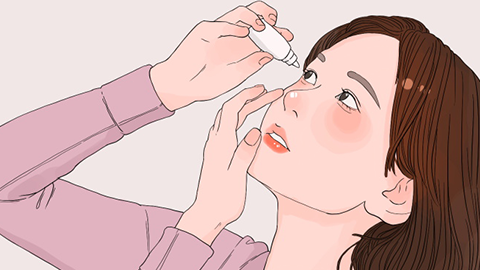
It is recommended to seek prompt medical attention at a hospital for the quickest and most effective treatment of pink eye. Also known as acute epidemic conjunctivitis, this condition is primarily caused by bacterial infection. Symptoms—including sudden onset of redness, foreign-body sensation, and increased eye discharge—can appear rapidly. Diagnosis is typically confirmed via slit-lamp examination. Timely treatment with antibiotic and antiviral eye drops is crucial. In most cases, symptoms fully resolve within 2–4 weeks. During treatment, patients should adopt healthy ocular habits: avoid spicy foods and eye strain, both of which support recovery from conjunctivitis. Additionally, identifying potential allergens is important, as allergic conjunctivitis can also cause redness and foreign-body sensation—symptoms that arise upon exposure to allergens. Prompt identification and removal of the allergen are therefore necessary.

If you develop pink eye, avoid rubbing your eyes with your hands. Rubbing can damage local ocular tissues—for instance, causing eyelid swelling or even corneal injury. Moreover, your hands may carry pathogens and bacteria; touching surfaces or other individuals after rubbing your eyes increases the risk of transmission to others. Patients already diagnosed with pink eye should follow a light, bland diet. Emotional stress—such as anger—may exacerbate symptoms. Thus, it is advisable to avoid spicy, stimulating, or allergenic foods (e.g., fish, shrimp, beef, mutton), as well as tobacco and alcohol, to help alleviate symptoms. Drink plenty of water, consume ample vegetables and fruits, maintain regular bowel movements, and ensure adequate rest.
Dietary recommendations include avoiding spicy and irritating foods, as well as abstaining from smoking and alcohol consumption. Pink eye is a highly contagious form of conjunctivitis, most commonly occurring in spring and autumn. We hope this information proves helpful.


