


Can eye irrigation help alleviate keratitis?
Jun 29, 2022
Source: Cainiu Health

Dr. Chen You
Introduction
Rinsing the eyes does not help alleviate keratitis. When keratitis occurs, avoid cleaning the eyes unless there is ocular discharge. If cleaning is necessary, use a sterile cotton swab moistened with prescribed eye drops to gently remove discharge, or irrigate the eyes with sterile saline solution—never use tap water or other non-sterile liquids for irrigation. Additionally, please note the following:
The cornea is a transparent membrane tissue devoid of blood vessels but rich in nerve endings; thus, keratitis typically presents with prominent clinical symptoms such as photophobia, excessive tearing, conjunctival redness, eyelid swelling, and ocular muscle spasm. Since the underlying causes of keratitis vary, treatment medications must be selected accordingly. So, does eye irrigation help alleviate keratitis?
Does eye irrigation help alleviate keratitis?
Eye irrigation does not help alleviate keratitis. When keratitis occurs, eye cleaning should be avoided unless there is visible discharge. If discharge is present, sterile cotton swabs moistened with prescribed eye drops may be used to gently remove it, or normal saline may be used for irrigation. Importantly, tap water or other non-sterile liquids must never be used for eye irrigation. Additionally, patients should avoid contact between the eyes and substances such as shampoo or shower gel during keratitis, as these can cause significant ocular irritation.
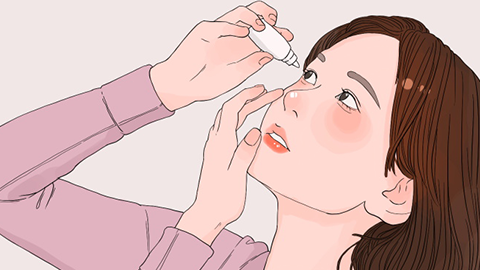
In summary, when keratitis develops, appropriate medication should be administered strictly according to the physician’s instructions. In many cases, keratitis resolves without irrigation. Irrigation is only indicated if discharge is present—and even then, it is preferable to have this performed by healthcare professionals at a hospital. Home environments lack the necessary sterile equipment, and improper irrigation may introduce new infections or spread existing ones.

In daily life, patients should maintain a positive mindset, actively cooperate with their physicians’ treatment plans, take prescribed medications on time and in correct dosages, and adhere to proper ocular hygiene practices—thereby facilitating prompt clinical improvement. We hope this response has been helpful.





