


How to Determine the Etiology of Keratitis

Keratitis refers to inflammation of the cornea—the outermost layer of the eye—which is particularly susceptible to injury and infection due to its direct exposure to the external environment. Trauma may occur accidentally. In mild cases, keratitis typically presents with photophobia (sensitivity to light) and epiphora (excessive tearing). Severe cases may lead to blindness. So, how is the underlying cause of keratitis determined?
How to Determine the Etiology of Keratitis
Determining the etiology of keratitis generally relies on characteristic clinical manifestations. These include ocular irritation symptoms—such as eye pain, photophobia, epiphora, and blepharospasm—as well as findings observed under slit-lamp examination, such as ciliary injection, corneal infiltration or ulceration, and distinctive morphological features. Clinical diagnosis of keratitis is usually straightforward; however, accurate etiological diagnosis and early detection are critical. Thus, the first step is to determine whether the condition is infectious or non-infectious.
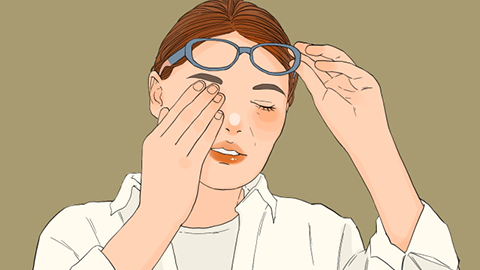
First, a thorough patient history should be obtained, followed by appropriate laboratory investigations based on the individual’s clinical presentation. Laboratory testing—including bacterial, fungal, and Acanthamoeba cultures—enables precise identification of the causative pathogen and guides selection of optimal antimicrobial therapy for infectious keratitis. Currently, confocal microscopy serves as an excellent adjunctive tool for diagnosing keratitis.
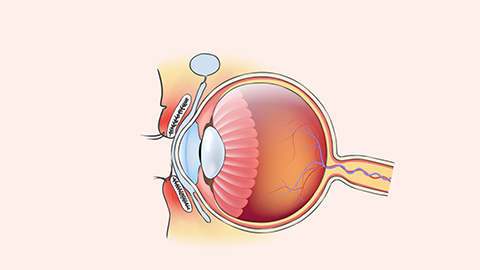
Patients may be advised to use antiseptic agents to suppress bacterial growth and eliminate the source of infection, thereby facilitating gradual corneal recovery. We hope this information proves helpful.


