


Is persistent dryness and itching at the outer canthus indicative of keratitis?

Keratitis occurs more frequently in daily life, yet it encompasses many different types. For instance, it may be caused by bacterial infection or viral infection. During this process, patients should actively seek treatment. In treatment, targeted therapy should be selected to achieve better outcomes. So, is persistent dryness and itching at the outer canthus (lateral canthus) indicative of keratitis?
Is persistent dryness and itching at the outer canthus a sign of keratitis?
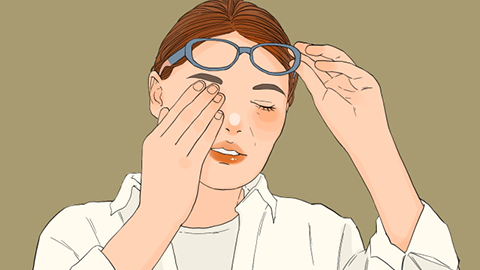
Persistent dryness and itching at the outer canthus may indeed result from keratitis. However, ocular pruritus (itching) can also occur in allergic conjunctivitis and various eyelid inflammatory disorders—such as eyelid dermatitis, contact dermatitis, or insect-bite dermatitis. Eyelid inflammation—for example, blepharitis or meibomian gland dysfunction—may present with itching and pain of the eyelids; inflammation along the lid margin may cause itching and a burning sensation. In allergic conjunctivitis, intense eye itching is the predominant symptom; frequent rubbing of the affected eye often leads to dryness, burning, and a foreign-body sensation. Ophthalmic examination typically reveals conjunctival edema, a pinkish hue, and papillary hypertrophy. The location of ocular pruritus varies across different ocular diseases; thus, while conjunctivitis is one possible cause, it is only one among many. Adequate rest and regular ophthalmologic follow-up are essential.
Patients with keratitis should consume foods rich in vitamin A. Vitamin A deficiency impairs the eye’s ability to adapt to dim lighting and may lead to night blindness in severe cases. Daily adequate intake of vitamin A also helps prevent and treat dry eye syndrome. Primary dietary sources of vitamin A include animal livers; plant-based sources include carrots, amaranth, spinach, leeks, green peppers, sweet potatoes, and fruits such as oranges, apricots, and persimmons.

Patients are advised to avoid excessive eye strain and late-night activities, and to prioritize sufficient rest. We hope this information proves helpful.


